
Magazine
Sleep Position After Surgery: Why How You Rest Shapes How You Heal
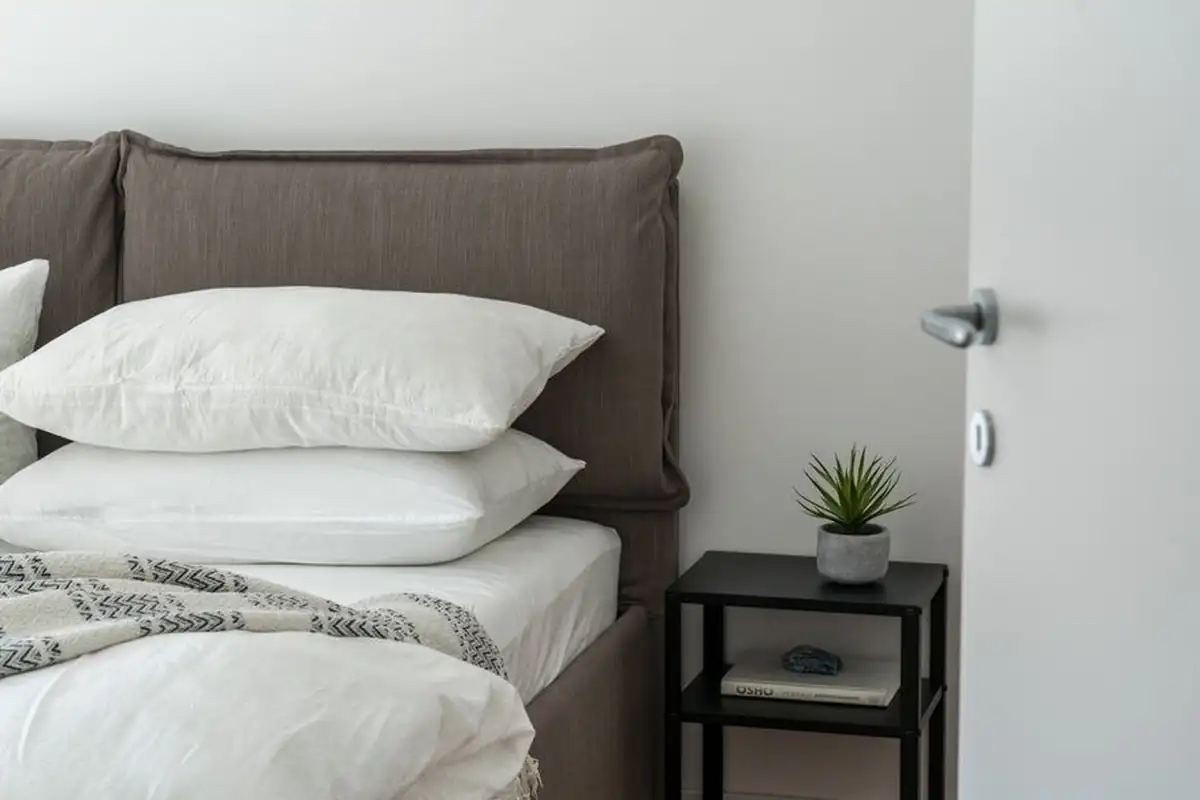
The position you sleep in after a cosmetic procedure isn't a comfort preference — it changes swelling, pressure on incisions, and how fast the first two weeks actually go. A procedure-by-procedure guide to setting up a recovery-friendly bed.
Sleep Position Is a Recovery Decision, Not a Comfort One
Most people think about recovery in terms of what they do while awake — walking, eating, avoiding the gym. The eight hours spent asleep get far less attention, even though they're the longest single stretch of time your body spends in one position after surgery. If that position works against the healing you're trying to protect, it undoes some of the discipline you're showing everywhere else.
The mechanics are simple. Gravity moves fluid downward when you're upright and lets it pool wherever you're lowest when you're lying flat. For a face that's had work done, flat sleep on the first nights can mean waking up more swollen than you went to bed. For an incision on the torso, the wrong position can put direct tension or pressure on a line that's still closing.
None of this means recovery sleep has to be uncomfortable or clinical. It means the setup — how many pillows, what angle, which side of the bed — is worth deciding before surgery rather than improvising at 2am when everything already aches.
Facial Procedures: Why the First Rule Is Almost Always 'On Your Back'
For rhinoplasty, a facelift, or eyelid work, surgeons overwhelmingly ask patients to sleep elevated and on their back for the first one to two weeks. Elevation — usually two or three pillows, or a wedge that keeps the head above the heart — uses gravity to help fluid drain away from the face instead of collecting in it overnight.
Side or stomach sleeping is discouraged for a more direct reason: your face rests against the pillow. For a nose that's still finding its new shape under a splint, or a lifted brow that's still swollen, even light overnight pressure in the wrong place can shift tissue that hasn't set yet or simply prolong the swelling you're trying to bring down.
This is usually the hardest instruction for habitual side-sleepers to follow, and it's worth practising in the weeks before surgery rather than learning it for the first time while recovering. A pillow wedged against each side of the torso, not just under the head, keeps you from rolling over out of habit once you fall asleep.
Body Procedures: Compression, Drains and the Positions They Rule Out
After liposuction or a breast implant procedure, the concern shifts from facial swelling to the compression garment and any drains that are part of the immediate aftercare. Stomach sleeping is usually off the table for abdominal liposuction simply because it puts your full body weight directly onto treated tissue for hours at a time.
For breast procedures, most surgeons recommend sleeping on your back, propped at roughly a 30 to 45 degree angle, for the first couple of weeks — flat is often as unwelcome as stomach-down, since lying completely flat can pull on fresh incisions in a way that upright positions don't. A recliner or a wedge pillow setup does the job just as well as a hospital bed, which is what most patients actually use at home.
If drains are in place, position matters for a practical reason too: sleeping in a way that kinks a tube or lies on top of it can affect how well it does its job overnight. Clip drains somewhere they can hang freely before you settle in, rather than tucking them under the blanket where you'll forget they're there.
Building a Recovery-Friendly Bed at Home
A wedge pillow bought before surgery is one of the cheaper, more useful preparations on any pre-op checklist — it holds the elevation angle all night without you having to keep re-stacking regular pillows as they slide down. If you'd rather not buy one, two firm pillows angled to support the back rather than just the neck get close enough for most facial procedures.
Side bolsters — even rolled towels — placed along both hips stop the instinctive roll toward your usual sleeping side once you're actually asleep and no longer consciously holding position. This matters more than people expect in the first two or three nights, when discomfort from the new position competes with genuine exhaustion.
Kuala Lumpur's humidity adds a smaller but real factor: elevated sleep with more pillows and less airflow around the neck and shoulders can feel warmer than usual, especially without air conditioning running through the night. A fan aimed away from a fresh incision, rather than directly at it, keeps the room comfortable without adding dust or debris near healing skin.

When the Sleep Setup Isn't Working
A recovery sleep position that's genuinely working should get more comfortable, not less, as the days pass — the first night is often the hardest simply because it's unfamiliar. If pain in the sleeping position is getting worse rather than settling by day three or four, or you're waking up with swelling that looks more dramatic than the pattern described in our week-by-week swelling guide, that's worth raising rather than working around.
It's also worth accepting that some nights simply won't go well, especially in the first week, and that one rough night propped against too many pillows isn't a setback on its own. What matters is the trend across several nights, not any single bad one.
If nothing about the setup feels workable — the angle causes neck pain, the compression garment fights the position, or you genuinely can't stay off your side — that's a conversation for a follow-up consultation rather than something to solve through trial and error alone. Surgeons adjust sleep guidance based on what they see healing, not just what a general guide describes, and a five-minute call can save several uncomfortable nights.
Magazine
16 September 2026 · 7 min read
Pico Laser Aftercare: Why Sun Protection Decides Whether Pigmentation Returns
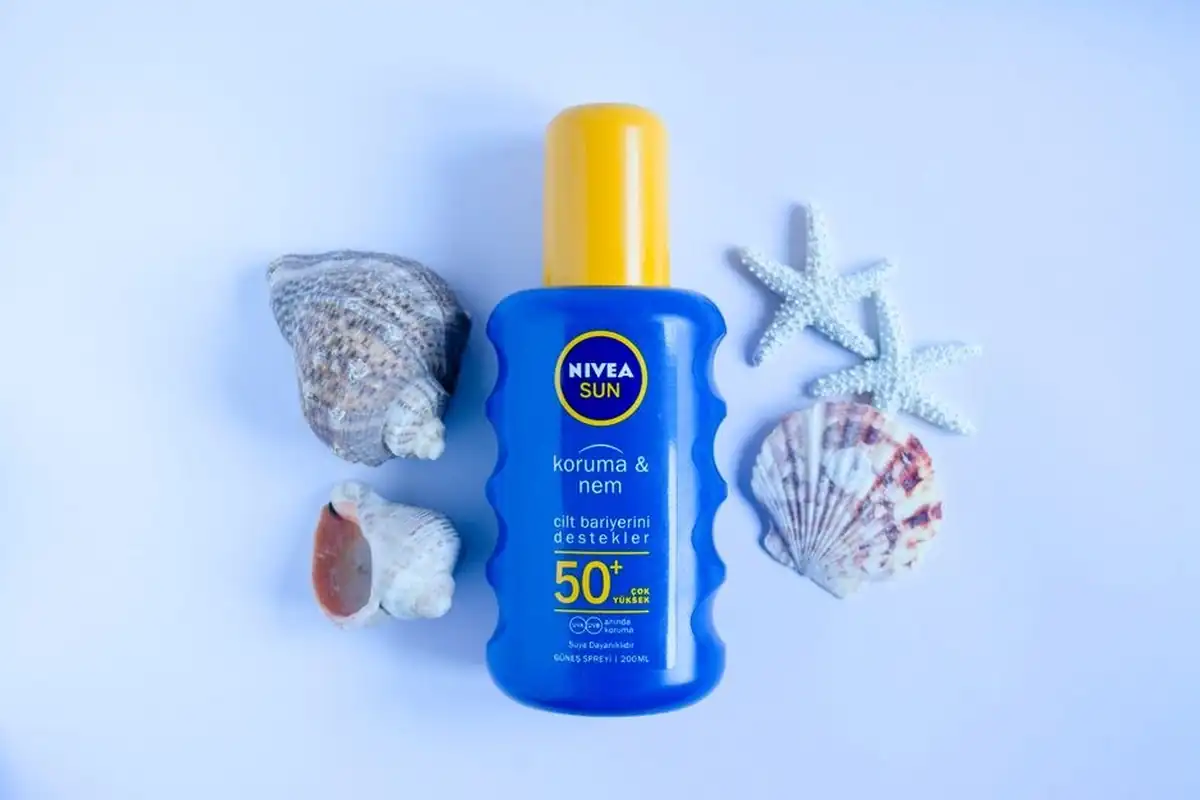
Pico laser breaks pigment into fragments your body clears over the following weeks — but what happens to your skin in that window, not the laser settings, is usually what decides whether sunspots or melasma actually stay away. Here is what a proper aftercare routine covers.
15 September 2026 · 7 min read
HIFU Skin Tightening: Who Is (and Isn't) a Good Candidate
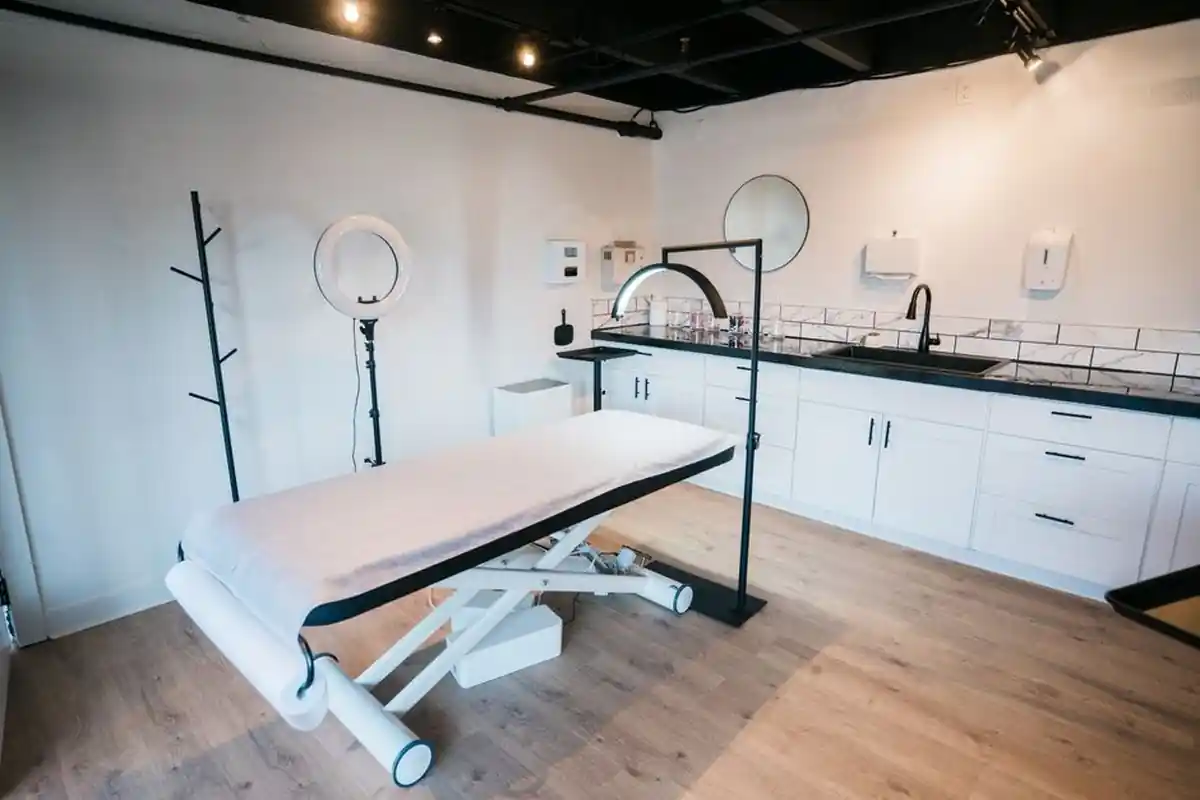
HIFU promises a lift without surgery, but the ultrasound energy behind it only works within a fairly narrow band of skin laxity. Here is how a proper consultation actually decides whether you fall inside that band — and what happens when the honest answer is no.