
Magazine
Pico Laser Aftercare: Why Sun Protection Decides Whether Pigmentation Returns
Pico laser breaks pigment into fragments your body clears over the following weeks — but what happens to your skin in that window, not the laser settings, is usually what decides whether sunspots or melasma actually stay away. Here is what a proper aftercare routine covers.
What Pico Laser Leaves Behind — And Why Aftercare Starts Immediately
Pico laser works by shattering pigment into fragments small enough for the body's own clearance systems to carry away over the following weeks. The skin's surface usually looks close to normal within a day or two, which is part of the treatment's appeal — but that quick cosmetic recovery hides a slower biological process still running underneath it.
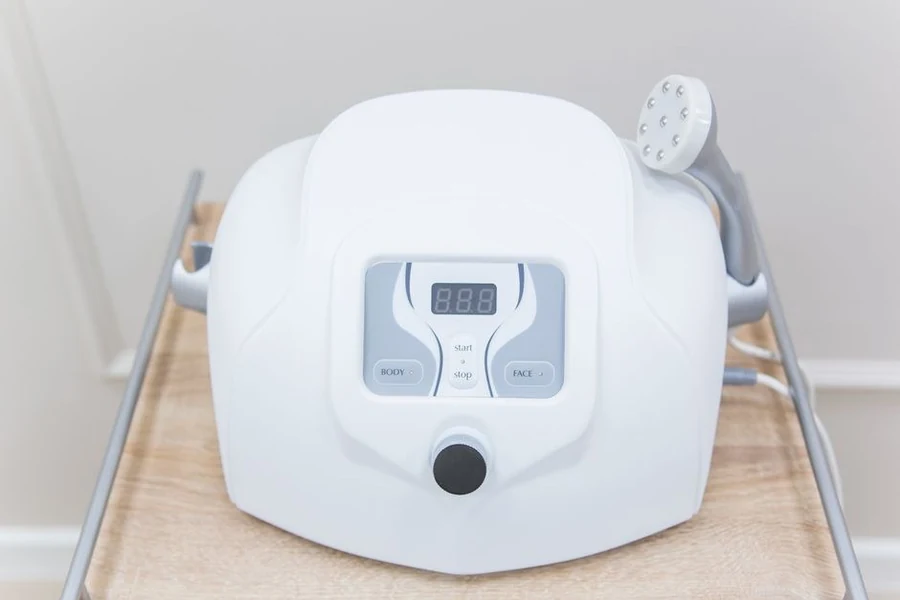
That gap between how the skin looks and what it is still doing is exactly why aftercare matters as much as it does. The pigment fragments being cleared are the same fragments that can reform if the skin meets the wrong trigger during that window. A closer look at how a pico laser session is actually structured helps explain why the two weeks afterward carry so much of the outcome.
The One Rule That Matters Most: Sun Exposure
Melanocytes, the pigment-producing cells in skin, are unusually reactive in the days after a pico laser session. Ultraviolet exposure during that period is the single most common reason treated pigmentation returns, or returns darker than it started — a response that can affect any skin tone, though it shows up more readily in deeper skin.
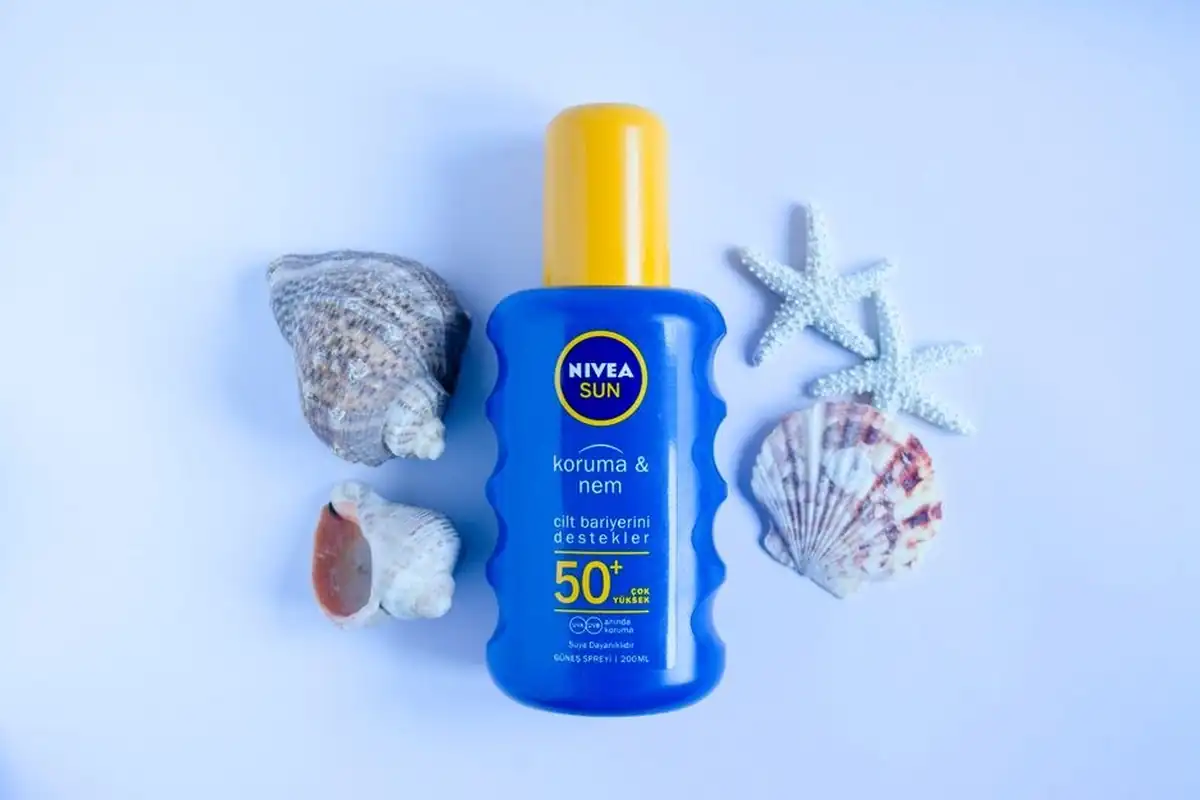
Kuala Lumpur's near-equatorial UV index makes this a practical daily habit rather than an occasional precaution. Broad-spectrum SPF, reapplied every few hours rather than once in the morning, is the baseline — but sunscreen alone is not the full plan. A hat, shade and avoiding direct midday sun do work that sunscreen cannot do by itself, especially on days spent outdoors.
Melasma responds to this rule even more strictly than ordinary sunspots do, because melasma pigment is more reactive to both UV and heat. This is also where laser settings and skin response intersect — the mechanism behind why melasma needs a gentler energy level than a sunspot is laid out in more detail in skin tone and laser settings, and the two articles are worth reading together before a melasma-focused course begins.
What Else to Pause For the First Week
Retinoids, vitamin C serums and exfoliating acids all stress the skin barrier in their own right, and layering that on top of a barrier that a laser has just worked through is rarely a good idea. Most clinics ask patients to hold off on actives for about a week, though the exact timing depends on how the individual skin responds — this is a question for the treating practitioner, not a generic countdown.
Heat is a less obvious trigger but a real one. Saunas, steam rooms and hot yoga all increase blood flow to the face, which can prolong redness and add to the inflammation the skin is already managing. Giving the face a break from deliberate heat exposure for a few days costs little and removes one variable that can complicate an otherwise straightforward recovery.
Makeup is usually fine again within a day or two, once any pinpoint bleeding or visible surface reaction has settled — but clean brushes and sponges matter more than usual on a surface that has just been worked on, and a fresh application on skin that is still slightly reactive is not the moment to test a new product.
Cleansing and moisturising can stay simple during this stretch. A gentle, fragrance-free cleanser and a plain moisturiser built around ceramides do more for a stressed barrier than an elaborate routine, and this is not the week to introduce a new product line just because it happens to be on hand. The goal for the first week is repair, not enhancement — the rest of the routine can wait until the skin has settled.
Reading Your Skin's Response — Normal vs Not
A short period of redness, faint surface frosting, or light flaking over the first few days is the pigment fragments making their way to the surface and clearing — this is expected, not a complication. For most patients it fades within a week, sometimes sooner for lighter settings used on more delicate areas.
What is not expected is blistering, prolonged intense redness that has not eased after several days, or scabbing rather than fine flaking. Any of those is a reason to contact the treating practitioner directly rather than wait and see, since a skin response that goes past the ordinary range usually resolves faster with early guidance than with home remedies.
How much reaction is normal also depends on the settings used, which is exactly why energy levels should be adjusted to the individual rather than applied the same way across every patient in a day. A clinic that asks about your skin tone, recent sun exposure and prior laser history before dialling in a setting is doing the part of the job that determines how the following two weeks actually go.

Spacing Sessions and Judging Real Progress
Pigment improvement from pico laser is usually gradual across a course of sessions spaced weeks apart, not a single-appointment fix — and sun protection between sessions is what actually protects the progress made in the one before it. Skipping that discipline between appointments is a common reason a course takes longer to show results than expected.
Anyone planning a course, especially for melasma, benefits from discussing skin type, sun exposure habits and any upcoming travel with the treating practitioner before the first session, so the plan is built around an actual routine rather than a generic printout. Clinics based in Mont Kiara tend to make that follow-up easy to keep on schedule, since consistency between sessions matters as much as the treatment itself. Booking a consultation is the simplest way to start that conversation.
Magazine
15 September 2026 · 7 min read
HIFU Skin Tightening: Who Is (and Isn't) a Good Candidate
HIFU promises a lift without surgery, but the ultrasound energy behind it only works within a fairly narrow band of skin laxity. Here is how a proper consultation actually decides whether you fall inside that band — and what happens when the honest answer is no.

14 September 2026 · 6 min read
Sleep Position After Surgery: Why How You Rest Shapes How You Heal
The position you sleep in after a cosmetic procedure isn't a comfort preference — it changes swelling, pressure on incisions, and how fast the first two weeks actually go. A procedure-by-procedure guide to setting up a recovery-friendly bed.