
Magazine
HIFU Skin Tightening: Who Is (and Isn't) a Good Candidate
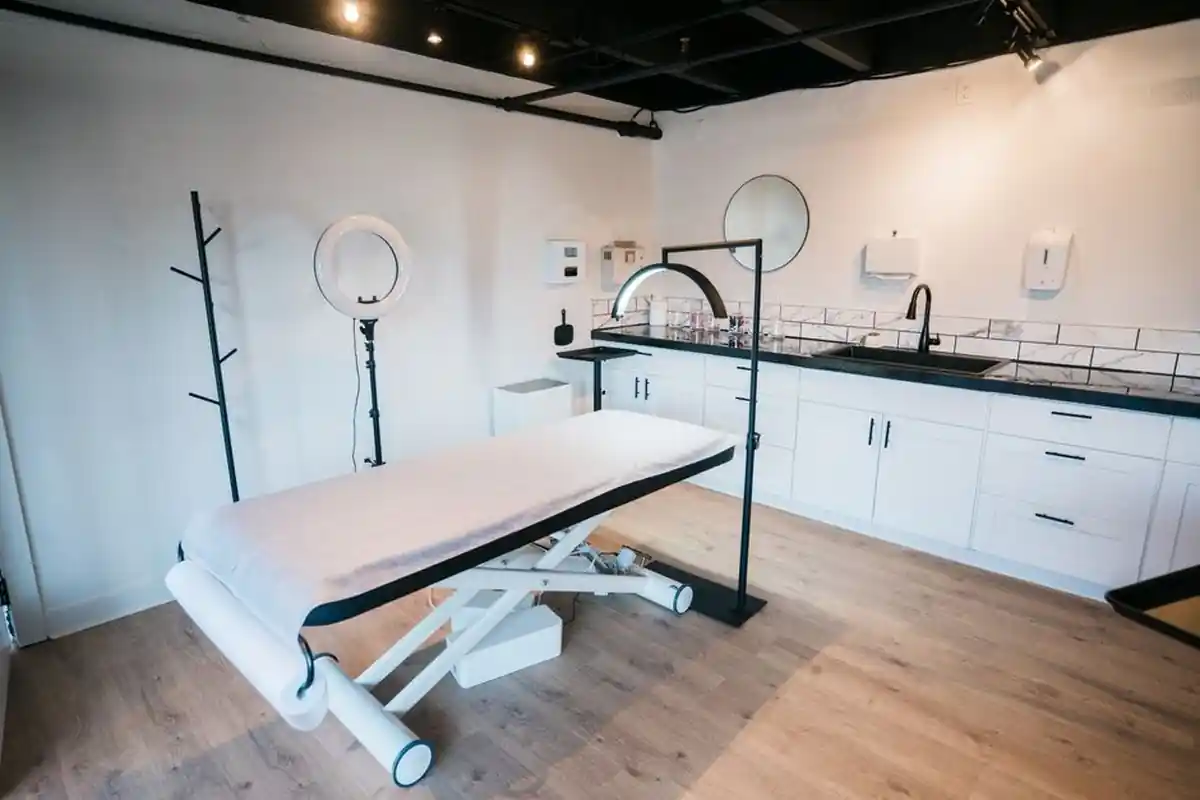
HIFU promises a lift without surgery, but the ultrasound energy behind it only works within a fairly narrow band of skin laxity. Here is how a proper consultation actually decides whether you fall inside that band — and what happens when the honest answer is no.
What HIFU actually does beneath the skin
HIFU stands for high-intensity focused ultrasound, and the name describes the mechanism fairly literally: ultrasound energy is focused to a precise depth beneath the skin's surface, converting to controlled heat at that exact point. The target is not the skin you can see but the supportive layer underneath it — the same structural layer that surgical facelifting addresses, reached here without any incision.
That heat does not resurface or bleach anything. It triggers a controlled response in the tissue that prompts your own body to renew collagen over the following weeks. This is why HIFU behaves differently from lasers, which mostly work at the surface and depend on how much melanin or water sits in their path. HIFU's value is depth, delivered in a single session, with comfort settings adjusted for the person on the table rather than left at one default. A fuller picture of how a session is structured is worth reading in HIFU lifting before booking a consultation, since it sets out what to expect step by step.
The candidate profile HIFU actually suits
The people who tend to be happiest with HIFU share a similar starting point: mild to moderate skin laxity, most often in their thirties or forties, who want a firmer and more lifted look without committing to surgery. Comfort with a gradual outcome matters as much as the skin itself — this is a treatment that builds over months, not one that changes a face on the day.
In practice, that usually means early, visible-but-modest cues: a jawline that has started to soften rather than one that has dropped, a slight looseness along the neck rather than heavy folds, skin that photographs a little less crisp than it did a few years earlier. HIFU is well suited to that stage — it is being asked to refine and maintain, not to reverse years of change in one appointment.
It also tends to suit people who are already paying attention to skin health generally — sun protection, a reasonable skincare routine, realistic expectations about pacing — because HIFU adds to that foundation rather than replacing it. Nobody should walk in expecting it to compensate for the parts of skin ageing it was never designed to touch, such as volume loss or sun-related pigment.
When HIFU is the wrong tool for the job
The most common mismatch is advanced sagging. Once laxity has progressed past a certain point — heavier jowls, significant excess neck skin, a jawline that has genuinely dropped — focused ultrasound is working against more tissue than it can meaningfully reorganise. It can still soften the picture at the margins, but it will not do what a surgical lift does, and a clinic that suggests otherwise is not describing HIFU honestly.
The second mismatch is expectation rather than anatomy: wanting a dramatic, visible-immediately change. HIFU's mechanism means the lift develops over roughly two to three months as collagen renews, not on the drive home. Patients who are set on a one-step transformation are usually better matched to a different, more direct procedure discussed openly at consultation.
There are also plain medical exclusions worth knowing before you book: active skin infection or open wounds in the treatment area, pregnancy, and certain implanted metal devices or pacemakers near the site are all reasons a clinic should pause and reassess rather than proceed. None of this is a judgement on the patient — it is why a full medical history belongs at the start of the conversation, not somewhere in the paperwork afterwards. A clinic that is willing to say no, or not yet, when the fit isn't right is doing its job properly, a point covered in more depth in when a cosmetic surgeon says "not yet".
What a proper consultation actually checks
A consultation worth having does more than confirm you want the treatment — it assesses the degree of laxity, the quality and thickness of the skin, and the shape of the underlying structure before anyone agrees HIFU is the right match. That assessment is what decides whether HIFU alone is enough, whether it should be paired with something else, or whether surgery would genuinely serve the goal better.
This is also where a clinic should be candid about alternatives rather than defaulting to whichever device is in the room. Some patients are better served by a different non-surgical option; others need to hear, plainly, that a surgical procedure would outperform any non-surgical route for their particular degree of laxity. That comparison only works in person, which is one reason patients around Mont Kiara aesthetic clinics are encouraged to treat the first visit as an assessment rather than a booking appointment.
The realistic timeline after treatment
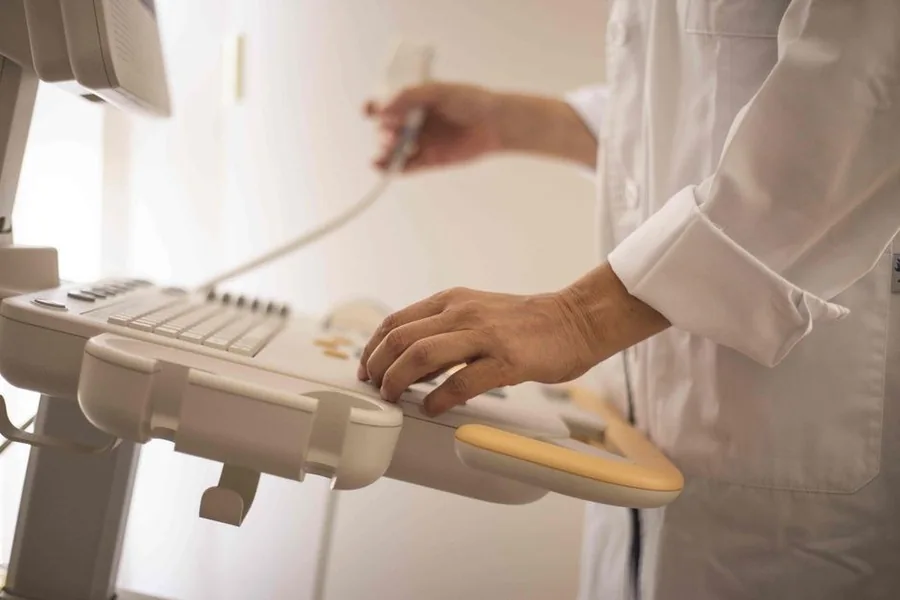
There is no real downtime built into HIFU. Most patients return to ordinary activities, and to work, the same day. A mild pink flush or some tenderness in the treated area is common for a short while afterwards and typically settles within 24 to 48 hours — nothing that needs planning around, unlike recovery from a surgical procedure.
The lift itself is the slower part. Some early tightening can be felt soon after treatment, but the main result develops gradually over two to three months as new collagen forms, and it is often maintained afterwards with periodic follow-up sessions as advised at your assessment rather than a single fixed course.
If you are not sure which side of that candidate line you fall on, the honest answer only comes from an in-person look at your skin rather than a photo or a guess. Book a consultation to have that assessed properly before deciding between HIFU and any other option on the table.

Magazine
16 September 2026 · 7 min read
Pico Laser Aftercare: Why Sun Protection Decides Whether Pigmentation Returns
Pico laser breaks pigment into fragments your body clears over the following weeks — but what happens to your skin in that window, not the laser settings, is usually what decides whether sunspots or melasma actually stay away. Here is what a proper aftercare routine covers.

14 September 2026 · 6 min read
Sleep Position After Surgery: Why How You Rest Shapes How You Heal
The position you sleep in after a cosmetic procedure isn't a comfort preference — it changes swelling, pressure on incisions, and how fast the first two weeks actually go. A procedure-by-procedure guide to setting up a recovery-friendly bed.