
Magazine
Medications and Supplements to Stop Before Cosmetic Surgery — A Pre-Op Checklist
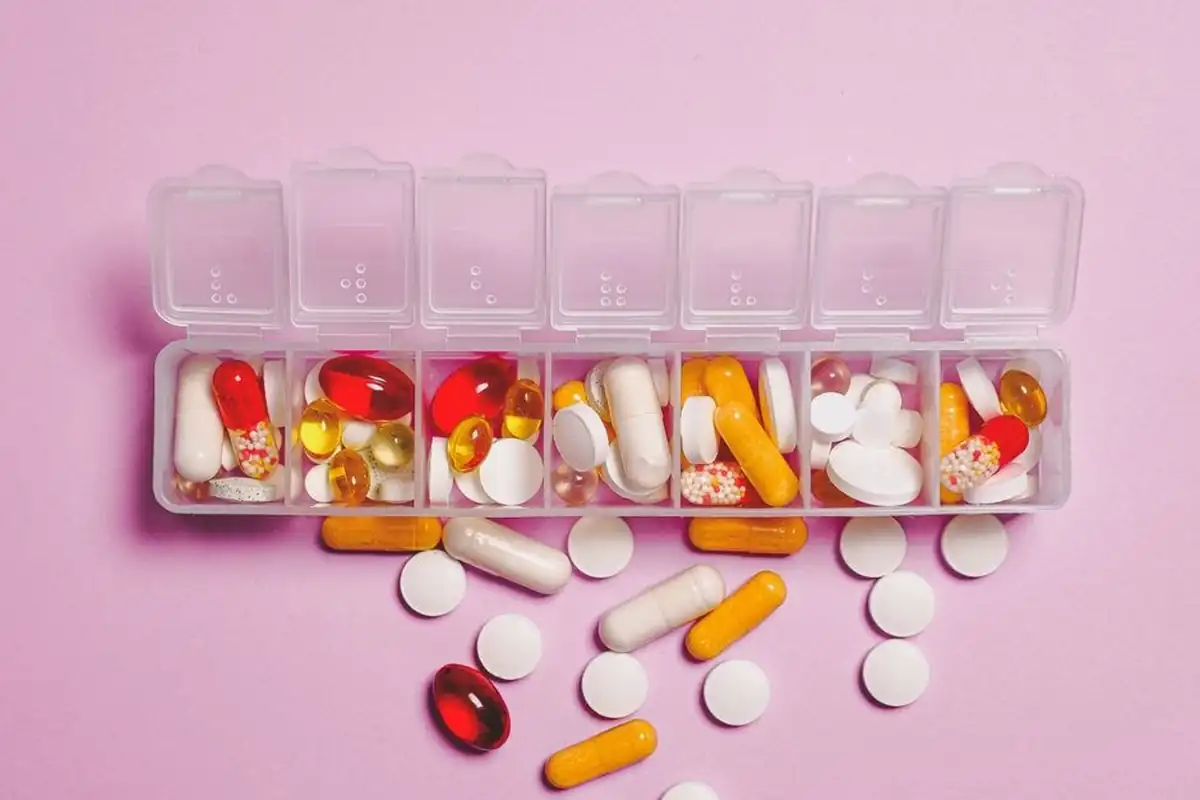
The intake form asks for your medication list twice, and most patients still underestimate why. A plain-language guide to the blood thinners, painkillers and ‘harmless’ supplements clinics ask you to pause — and how far ahead to plan it.
Why the medication list gets asked for twice
Most people fill in the same field twice without noticing. It appears on the intake form at your first consultation, and it appears again, in more detail, at the pre-operative assessment closer to your date. The repetition is not a filing error. Anaesthetists and surgeons are checking that the list has not quietly changed — a new prescription from another doctor, a supplement a friend recommended, a painkiller taken for an unrelated headache the week before.
The reason this matters is mechanical, not theoretical. Several everyday medications and supplements change how easily your blood clots, how your body processes anaesthetic drugs, or how quickly a wound line heals. None of that shows up on the outside. It shows up in a surgeon noticing more oozing than expected, or in bruising that spreads further than the procedure alone explains.
This article covers the categories that come up most often and why timing matters. It is general education, not a personal instruction — your own surgical and anaesthetic team will give you a list specific to your health history, your procedure and the medications you actually take, and that list is the one to follow. If you have already read how to prepare your body before cosmetic surgery, think of this as the narrower, medication-specific half of that same planning window.
Blood thinners and everyday painkillers most clinics flag
The most familiar category is anticoagulants and antiplatelet drugs — warfarin, the newer DOACs, and daily low-dose aspirin taken for heart health. These are prescribed for real reasons, so stopping them is a decision made jointly with the prescribing doctor, not something to do unilaterally the night before surgery. Your surgical team will usually coordinate directly with whoever manages that prescription.
Less obvious is the painkiller aisle. Ibuprofen, naproxen and other NSAIDs taken for a sore back or a headache also reduce platelet function, and people often take them without thinking of them as a surgical medication at all. For a procedure like liposuction, where bruising and fluid shifts are already part of normal healing, an NSAID taken a few days earlier can measurably extend both.
The practical habit worth building is reading labels for a week or two before any consultation that might lead to a surgery date — combination cold and flu remedies, period pain tablets and some supplements list ibuprofen as an ingredient without it being the headline word on the box.
Why ‘natural’ supplements aren’t automatically the safe choice
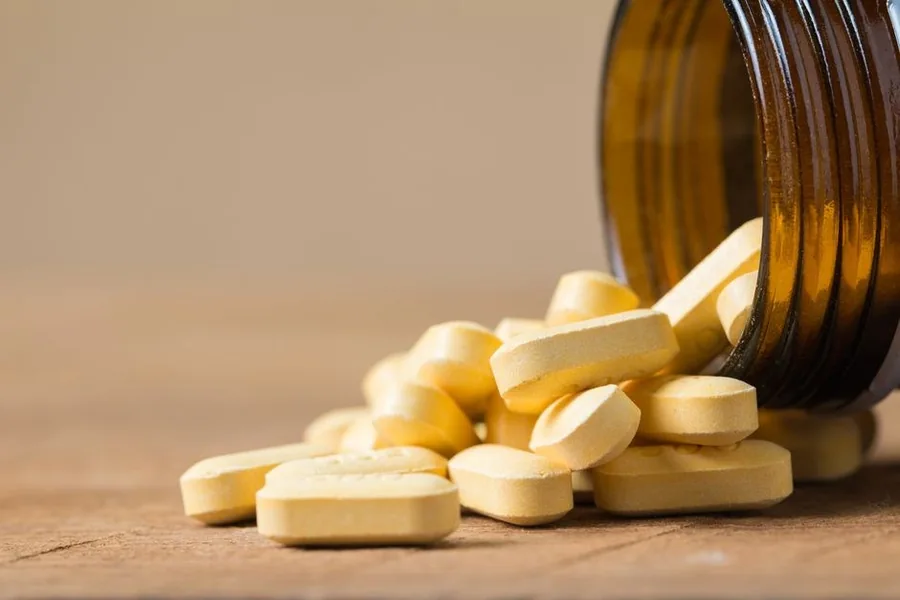
Vitamin E, fish oil, ginkgo biloba, ginseng and St John’s wort are the five that come up most often in pre-op questionnaires, and all five share the same quiet problem — they affect clotting or drug metabolism in ways that have nothing to do with being plant-derived or sold without a prescription.
Fish oil and vitamin E in particular are popular precisely because people take them for skin and heart health, which makes them easy to overlook when a nurse asks ‘are you taking any medications’. Ginkgo and ginseng affect platelet function; St John’s wort changes how the liver clears several anaesthetic and pain-relief drugs, which is a different and less visible risk than bleeding.
None of this means supplements are dangerous in daily life. It means the honest answer to a pre-op questionnaire is ‘yes’ to the supplement question, even when the bottle says natural, herbal or food-based. Clinics ask because they would rather cross something off a list than discover it during surgery.
Smoking, nicotine and alcohol run on a different clock
Medications are usually a matter of days. Smoking and nicotine are a matter of weeks, because the mechanism is different — nicotine narrows the small blood vessels that carry oxygen to healing skin, and that effect lingers well after the last cigarette, vape, patch or pouch. This is one of the few areas where clinics are consistently firm about a longer runway, often four to six weeks either side of surgery, because narrowed circulation is linked to slower healing and a higher rate of wound problems.
Alcohol sits closer to the medication timeline. It thins the blood modestly on its own and compounds the effect of anaesthesia the night before or the morning of a procedure, which is why most clinics ask for a short, specific window — commonly 48 to 72 hours — rather than a vague ‘go easy on it’.
Building your own stop-list with your surgical team
The most useful thing to bring to a consultation in Sri Hartamas or anywhere else is not a memory of what you take, but the actual boxes, or a photo of each label, including anything you take occasionally rather than daily. It is far easier for a doctor to cross an item off a written list than to prompt you into remembering it mid-conversation.
From there, the timeline gets built backwards from your surgery date, and it is genuinely individual — a patient on long-term warfarin for a heart condition follows a completely different bridging plan to someone taking occasional ibuprofen for period pain. This is also the point to raise chronic conditions like diabetes or thyroid disease, since some of their medications interact with the same stop-and-resume logic.
If a message from your GP or cardiologist needs to be part of that plan, ask early rather than the week before — coordinating between two clinics takes longer than either one alone.

A short version to keep on your phone
Confirm every medication and supplement, including occasional ones, at your consultation and again at the pre-op appointment. Expect specific instructions on aspirin, other blood thinners and NSAIDs, timed to your prescribing doctor's advice rather than a generic rule. Assume herbal and vitamin supplements count as medications for this purpose, even the ones marketed as gentle. Plan smoking and nicotine changes in weeks, not days, and alcohol changes in the final 48 to 72 hours.
If anything on your own list feels ambiguous — an occasional sleep aid, a supplement you only started recently, a medication a different doctor added last month — the safer default is to mention it and let the surgical team decide, rather than deciding for them. A short question through the clinic's contact page before your appointment is a normal, welcome use of that channel, not an imposition.
Magazine
16 September 2026 · 7 min read
Pico Laser Aftercare: Why Sun Protection Decides Whether Pigmentation Returns
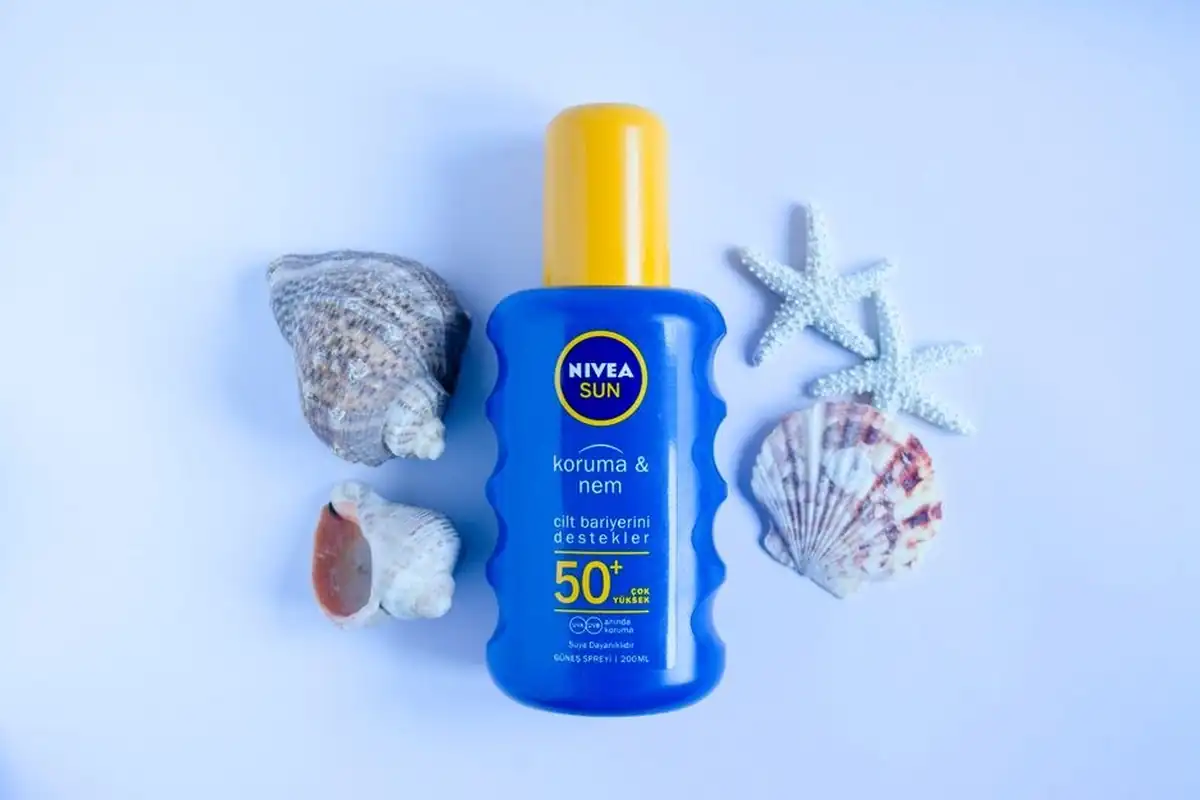
Pico laser breaks pigment into fragments your body clears over the following weeks — but what happens to your skin in that window, not the laser settings, is usually what decides whether sunspots or melasma actually stay away. Here is what a proper aftercare routine covers.

15 September 2026 · 7 min read
HIFU Skin Tightening: Who Is (and Isn't) a Good Candidate
HIFU promises a lift without surgery, but the ultrasound energy behind it only works within a fairly narrow band of skin laxity. Here is how a proper consultation actually decides whether you fall inside that band — and what happens when the honest answer is no.