
Magazine
Rhinoplasty Splint Removal: What the First Two Weeks Actually Look Like

The splint comes off before the swelling does, and the gap between those two moments confuses more rhinoplasty patients than any other part of recovery. Here's what actually happens on removal day and afterward.
Why a rhinoplasty splint stays on in the first place
The external splint placed after rhinoplasty is not decorative, and it is not there mainly to hide the nose from view. Its job is mechanical: it holds reshaped bone and cartilage still while the tissue begins to set in its new position, and it shields a still-fragile structure from accidental knocks during the days when a bump would matter most. If the surgery involved moving the nasal bones — an osteotomy — the splint also helps keep those bones aligned while the earliest, weakest stage of bone healing takes place.
Most surgeons remove the splint somewhere between five and eight days after surgery, but the exact timing depends on the technique used, whether bone was reshaped, and how the individual patient is healing. A patient having cartilage-only work on the tip may be on a different schedule than one who had the bridge narrowed. This is a general pattern, not a fixed rule — the number that matters is the one your own surgeon gives you at your rhinoplasty consultation, based on what was actually done.
Some patients also have internal splints or soft packing placed inside the nostrils for the first few days, separate from the visible external piece. These are generally removed earlier, sometimes before the outer splint even comes off, and their purpose is different — supporting the septum rather than the outer bridge. Not every rhinoplasty needs them; whether yours does depends entirely on what was done inside the nose, which is another question worth putting to your surgeon directly rather than assuming from a friend's experience.
What actually happens on splint-removal day
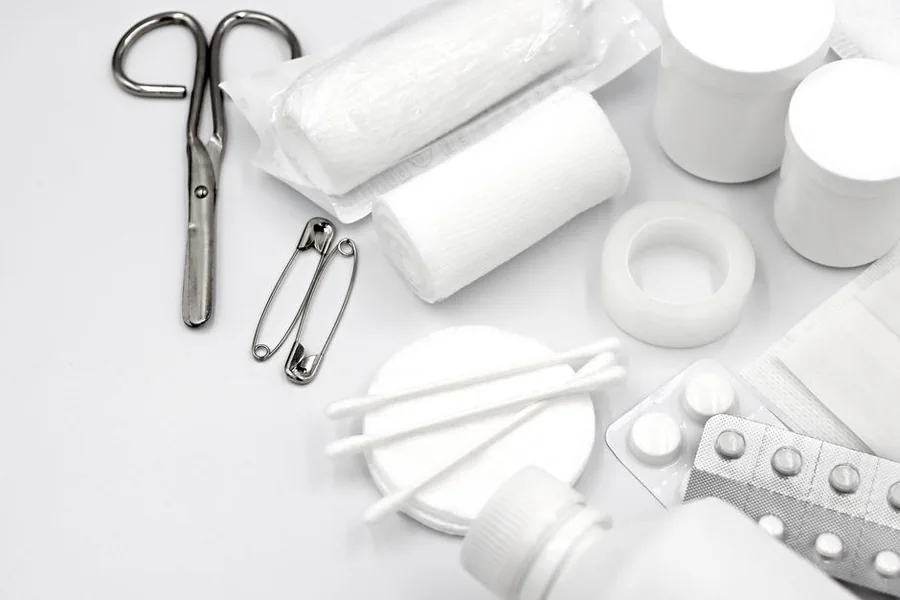
The appointment itself is usually brief. A nurse or the surgeon softens the adhesive, lifts the splint away in one careful motion, and checks the skin underneath for irritation or pressure marks before cleaning the area. Any external sutures that were not self-dissolving are typically removed at the same visit. Patients often describe the sensation as strange rather than painful — a sudden lightness across the bridge, and a slightly odd feeling of air reaching skin that has been covered for a week.
Some clinics apply light tape again afterward for a few more days, mainly to manage swelling and support the tip while it is still fragile, not because anything went wrong. Whether that extra taping happens, and for how long, is another detail worth asking about directly rather than assuming — clinics vary, and so does each patient's healing pace.
Why your nose looks different than you imagined, right after
This is the moment that catches people off guard: the splint is off, but the result underneath is not the final shape. Swelling extends far beyond what the splint ever covered, and it settles unevenly — the tip is usually the last area to soften, often staying slightly rounded or upturned for weeks after the bridge has already calmed down. Skin thickness plays a real role too; thicker skin holds swelling longer and can quietly hide fine details of the new shape for months.
This is the same pattern described in more general terms in our guide to the swelling timeline after cosmetic surgery — the nose simply runs on the slower end of it because the tissue is thin, mobile, and sits directly over reshaped structure. Judging the final result at the one-week mark, however tempting after finally seeing the splint come off, tends to lead to unnecessary worry rather than an accurate picture.
Follow-up visits: what your surgeon is actually checking
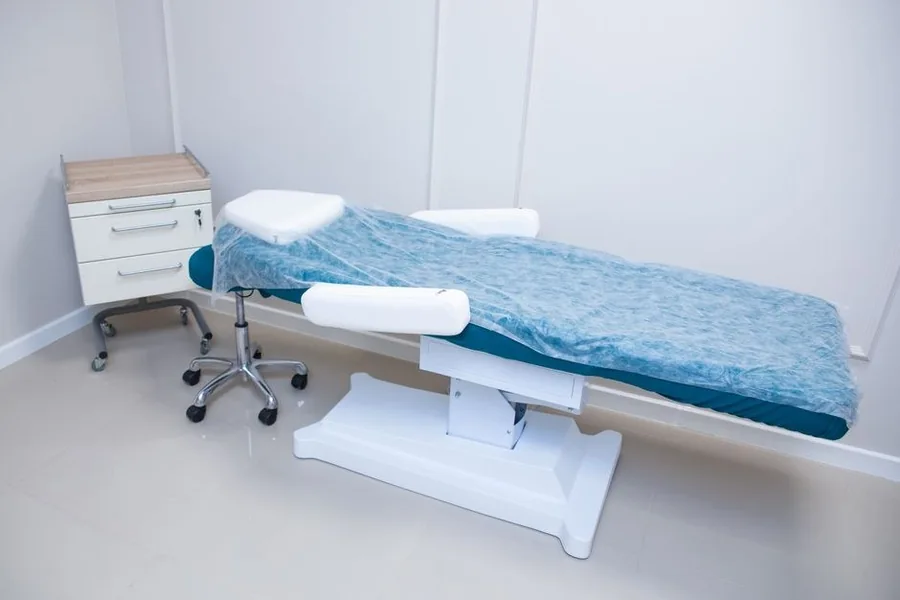
Splint removal is one appointment in a longer sequence, not the last one. Later follow-ups typically check breathing through each nostril, whether swelling is settling evenly on both sides, how the skin is healing over the tip, and whether any taping or light massage has been recommended to help the shape settle. None of this is a single pass-or-fail check — it is a series of small observations across weeks and months.
Because this follow-up schedule can run for the better part of a year, ongoing accessibility matters as much as the surgery itself. It's part of why many patients weigh how easy a clinic is to reach for these repeat visits — clinics located in Mont Kiara are one option patients in the Klang Valley commonly consider for that reason. Whichever clinic you choose, confirming who specifically will see you at each follow-up, and how reachable they are between visits, is worth asking before you book.
Signs worth a call, not a guess
A little asymmetry, some residual firmness, and mild tenderness in the first weeks after splint removal are ordinarily part of healing rather than a problem. A short list is worth keeping in mind regardless: pain that increases instead of easing after the first few days, swelling or redness clearly worse on one side than the other, fever, unusual discharge from the nostrils, or any new difficulty breathing. None of these are for a patient to self-diagnose from a mirror — they are reasons to contact your clinic directly and let a clinician actually look.
The months that follow bring their own smaller milestones — clearance to resume exercise, sun protection for the healing skin, and, for anyone even considering a revision, the general guidance of waiting until swelling has fully resolved, often close to a year, before that conversation is realistic. None of this is a timeline to guess at alone; it is exactly what a follow-up schedule with your own surgeon is for. Bringing a short list of questions to each visit, rather than waiting to see if something feels wrong, tends to make that schedule far more useful.
Magazine
16 September 2026 · 7 min read
Pico Laser Aftercare: Why Sun Protection Decides Whether Pigmentation Returns
Pico laser breaks pigment into fragments your body clears over the following weeks — but what happens to your skin in that window, not the laser settings, is usually what decides whether sunspots or melasma actually stay away. Here is what a proper aftercare routine covers.

15 September 2026 · 7 min read
HIFU Skin Tightening: Who Is (and Isn't) a Good Candidate
HIFU promises a lift without surgery, but the ultrasound energy behind it only works within a fairly narrow band of skin laxity. Here is how a proper consultation actually decides whether you fall inside that band — and what happens when the honest answer is no.