
Magazine
Unhappy at week six? Ask what month twelve looks like — how revision really works

Most early disappointment after cosmetic surgery is tissue still settling, not a failed result. How swelling and scar maturation change what you see, what a revision actually involves, and the follow-up questions to ask before your first operation.
Week six is not the verdict
The first time a healing face or body disappoints you in the mirror, it is rarely showing you the finished result. Tissue that has been lifted, cut or repositioned moves through a predictable sequence: obvious swelling in the first fortnight, then a long quieter phase of residual fluid that only close photographs reveal, then scar maturation that continues for months after everything looks outwardly normal. What people photograph and worry about at week six usually sits in the middle of that sequence.
The timelines are not the same for every procedure, which is why comparing your week with someone else's post online tells you very little. Eyelid skin often looks settled comparatively early while the underlying tissue is still changing. The tip of the nose is the classic slow one — thicker skin can hold fluid for a year or more, which is why an honest rhinoplasty consultation talks in seasons rather than weeks. Body contouring shifts with compression, activity and even the time of day.
None of this is an argument for staying quiet about a concern. It is an argument for recording it properly rather than acting on it early. Note the date, take a photograph in the same light and at the same angle you used before, and bring both to your next review appointment instead of to a search engine at midnight.
Settling, or something that needs a phone call today
It helps to separate two very different categories of worry. The first is aesthetic: one side looks fuller, a crease sits higher than the other, a scar is pink and raised, the shape is not yet what you pictured. These are the concerns that reward patience, photographs and a scheduled review.
The second category is clinical, and it is not a wait-and-see list: pain that is increasing rather than fading, spreading redness or heat, fever, sudden one-sided swelling, discharge or a wound edge that separates, or any change in vision after eyelid surgery. Those are reasons to contact the clinic that treated you the same day, and to use whatever after-hours number they gave you at discharge. Only the team that operated on you can assess what is happening; the point of the list is to make you pick up the phone rather than talk yourself out of it.
A simple record makes both conversations better. Dated photographs in consistent light, a line or two about how you feel, and a note of anything that changed — travel, illness, a new skincare product, a missed compression garment. Our guide to what recovery actually feels like week by week covers the ordinary version of this timeline in more detail.

What a revision actually means
Revision is a spectrum, not a single operation, and the word frightens people more than it should. At one end sit small adjustments that never return to an operating theatre: scar management, releasing a tethered area, adjusting a single suture, treating a firm patch of healing tissue. In the middle sit limited procedures under local anaesthesia that address one specific feature. At the far end is a full second operation under the same conditions as the first.
It is worth understanding that a revision is often technically harder than the original procedure. Scar tissue is less predictable than untouched tissue, blood supply has been altered, and there may simply be less to work with — skin that was removed cannot be put back. This is why a surgeon who declines to revise quickly is usually being careful rather than defensive, and why the second attempt deserves at least as much scrutiny as the first.
It is also worth knowing that revision is a choice, not an obligation. Some people, once the swelling has gone and the scar has faded, decide that the remaining difference is smaller than the recovery it would cost. A consultation that lays out that trade honestly — including the possibility of accepting the result — is doing its job.
Why waiting is part of the treatment, not a delay tactic
Operating into tissue that is still inflamed makes the outcome less predictable for everyone involved, which is why most surgeons want stability before they consider a second procedure. Depending on the operation, that usually means many months, and for the nose it commonly means around a year. The wait is not the clinic managing your patience; it is the condition under which a revision has a reasonable chance of doing what you want.
The waiting period has its own work. Follow the scar care you were given and keep at it after it stops feeling interesting — most scar programmes are months long, not weeks. Protect the area from sun, which in Kuala Lumpur means year-round habit rather than a beach-holiday measure, because fresh scars pigment easily under strong ultraviolet light. Keep every follow-up appointment, including the ones you feel fine for, since those are the visits that create the record you may later need.
Resist the urge to self-treat a healing area with aggressive home devices, strong actives or massage regimes picked up online. If something feels tight, lumpy or uneven, ask the clinic what is safe at your stage rather than experimenting on tissue that is still deciding what it will become.
The revision conversation belongs in your first consultation
The best time to discuss a second operation is before the first one, when you are calm and nothing has gone differently than planned. Ask what follow-up is included and for how long, how often you will be seen in the first year, and who you contact outside clinic hours. Ask, plainly, under what circumstances the surgeon would consider a revision and what they would decline to revise — the answer tells you a great deal about how they think.
Then ask the practical questions people avoid because they feel awkward: if a revision were recommended, which costs would fall to you, and which would not? Would the same surgeon perform it? Where would it be done, and is that facility licensed for the level of anaesthesia involved? Get the answers in writing where you can, because a policy explained in a consultation room is easy to remember differently a year later.
Records matter more than people expect. You are entitled to know what was done — the operative note, the technique used, and for implants the make, model and batch details. If you ever seek a second opinion, that paperwork is the difference between a surgeon assessing your case and a surgeon guessing at it. While you are asking, confirm the doctor's registration and credentials through the official Malaysian channels rather than the clinic's own marketing.
Choose a clinic you can walk back into
Continuity of care is the least glamorous reason to choose a clinic and one of the most useful. Aftercare is a series of short, unremarkable appointments spread over a year, and it works best when getting to them is easy. That is the quiet practical argument for treating somewhere you can reach on an ordinary weekday — for many people in the city that means somewhere like Mont Kiara, close enough that a fifteen-minute review never becomes a day off work.
If you did travel for a procedure, arrange the return path before you need it. Ask who will see you locally for suture removal and wound checks, take your full records with you, and agree in advance how photographs and questions will be reviewed remotely. Distance is manageable when it is planned and awkward when it is discovered.
If you are somewhere in the middle of a recovery right now and unsure whether what you are seeing is settling or a problem, the most useful next step is not another comparison photograph online. Bring your dated pictures and your list of questions to a consultation and let someone examine the tissue in front of them.

Magazine
16 September 2026 · 7 min read
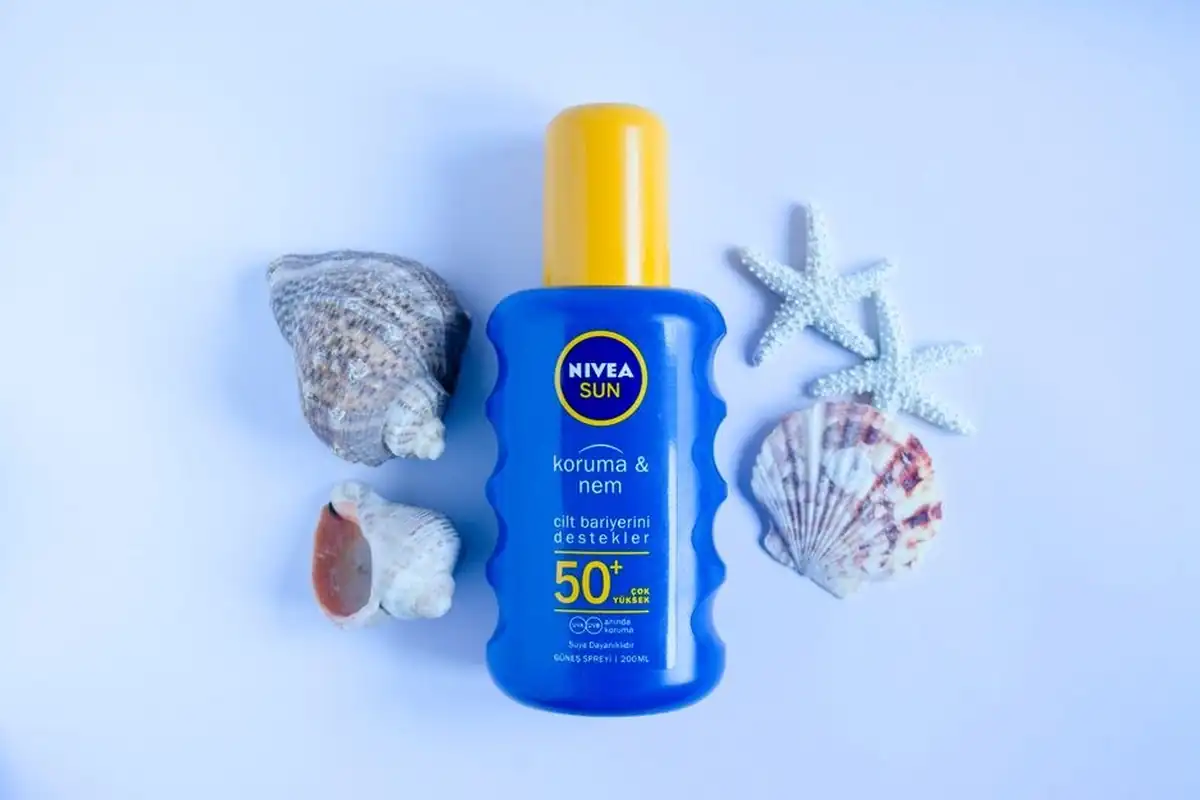
Pico Laser Aftercare: Why Sun Protection Decides Whether Pigmentation Returns
Pico laser breaks pigment into fragments your body clears over the following weeks — but what happens to your skin in that window, not the laser settings, is usually what decides whether sunspots or melasma actually stay away. Here is what a proper aftercare routine covers.

15 September 2026 · 7 min read
HIFU Skin Tightening: Who Is (and Isn't) a Good Candidate
HIFU promises a lift without surgery, but the ultrasound energy behind it only works within a fairly narrow band of skin laxity. Here is how a proper consultation actually decides whether you fall inside that band — and what happens when the honest answer is no.