
Magazine
Recovery after cosmetic surgery: a realistic guide
Good recovery is part of a good result. An honest look at what to expect, and how to give your body the best chance to heal.
Recovery is part of the result
The outcome of a procedure depends not only on the surgery itself, but on how you heal. Swelling, bruising and tenderness are a normal part of the process, and rushing back to full activity too soon can affect your result. Planning time to rest — and following your aftercare instructions carefully — is one of the most important things you can do.
The first few days
In the early days, expect swelling and some discomfort, managed with the guidance your clinic provides. Rest, gentle movement, and any compression garments or dressings all support healing. Keep your follow-up appointments, take medications as advised, and avoid strenuous activity, alcohol and smoking, which can slow recovery.
Weeks to months: the result settles
Most visible bruising and swelling ease within two to three weeks, but the final result often takes longer to appear as the tissues fully settle — sometimes several months. This is normal and expected. Patience matters: judging your result too early can be misleading. Scheduled reviews let your clinic track your progress and reassure you along the way.
When to contact your clinic
Clear aftercare includes knowing what is normal and what is not. Contact your clinic promptly if you notice increasing pain, unusual swelling, signs of infection such as fever or spreading redness, or anything that worries you. A good clinic stays reachable throughout your recovery — at The Valley, patients can reach us on WhatsApp — and would always rather you ask than wait.
What to ask your clinic before surgery
A short, honest conversation before the day of surgery shortens recovery later. We ask every patient to come prepared with a clear list — current medications and supplements, any history of bleeding or wound healing problems, prior surgeries, smoking status, and a realistic picture of the time off they can take.
From our side, we go through the same checklist with you: which medications to pause and when to restart them, what discomfort is normal in the first 48 hours and what is a warning sign, how to sleep in the first week, and a clear written aftercare plan to take home. Recovery is not a guess — it is a plan you and your clinical team agree on before anything begins.
Magazine
16 September 2026 · 7 min read
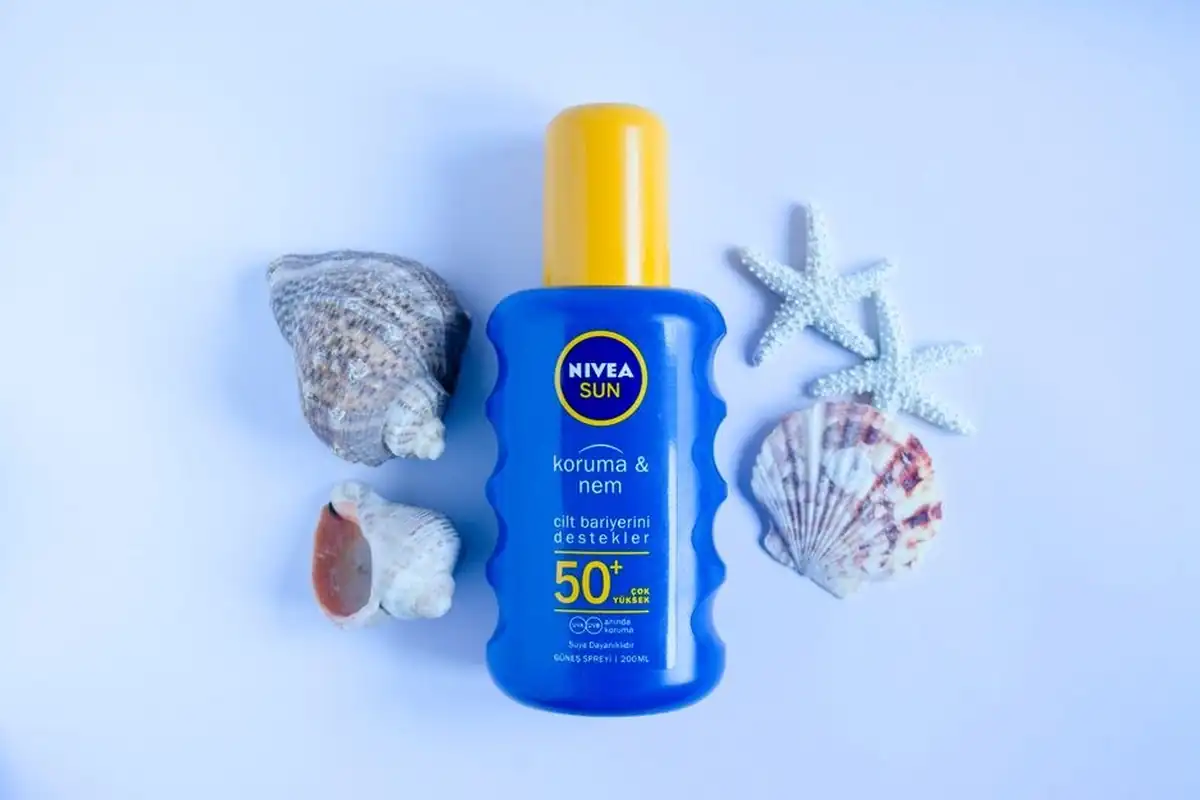
Pico Laser Aftercare: Why Sun Protection Decides Whether Pigmentation Returns
Pico laser breaks pigment into fragments your body clears over the following weeks — but what happens to your skin in that window, not the laser settings, is usually what decides whether sunspots or melasma actually stay away. Here is what a proper aftercare routine covers.
15 September 2026 · 7 min read
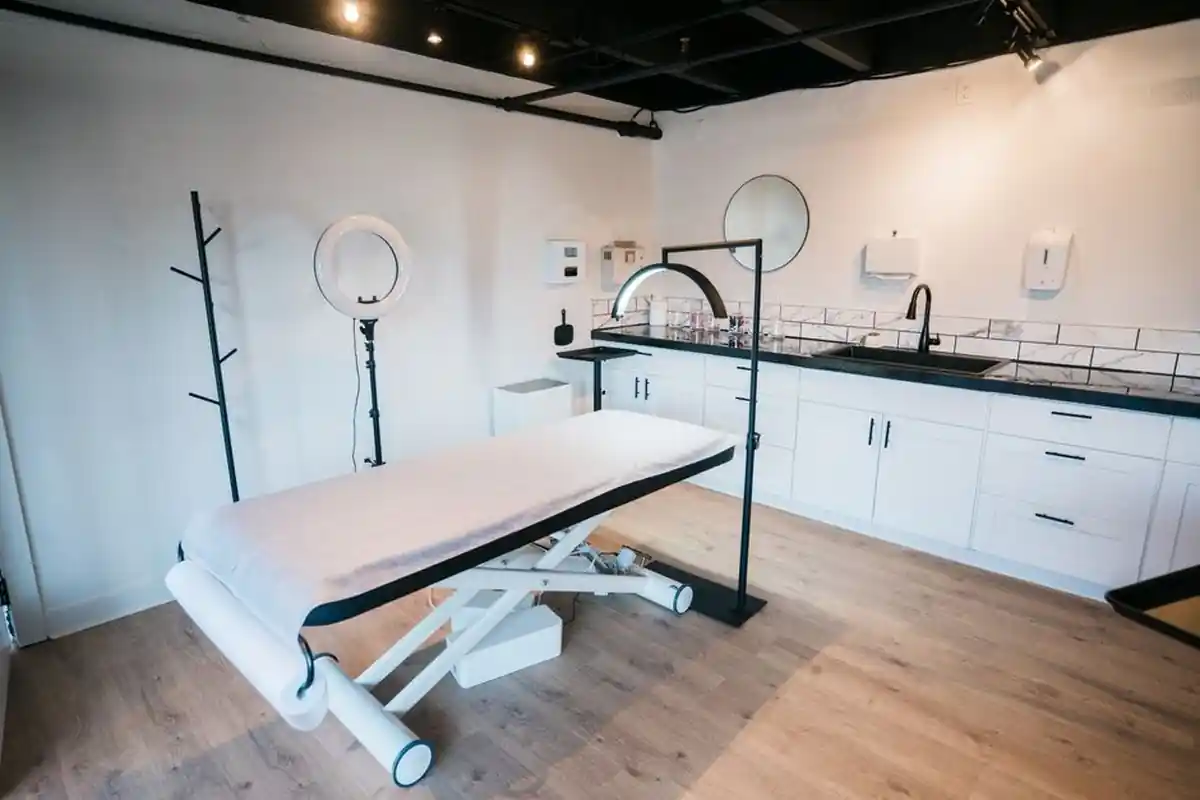
HIFU Skin Tightening: Who Is (and Isn't) a Good Candidate
HIFU promises a lift without surgery, but the ultrasound energy behind it only works within a fairly narrow band of skin laxity. Here is how a proper consultation actually decides whether you fall inside that band — and what happens when the honest answer is no.