
Magazine
Surgical consent forms — how to read what you are actually agreeing to before signing
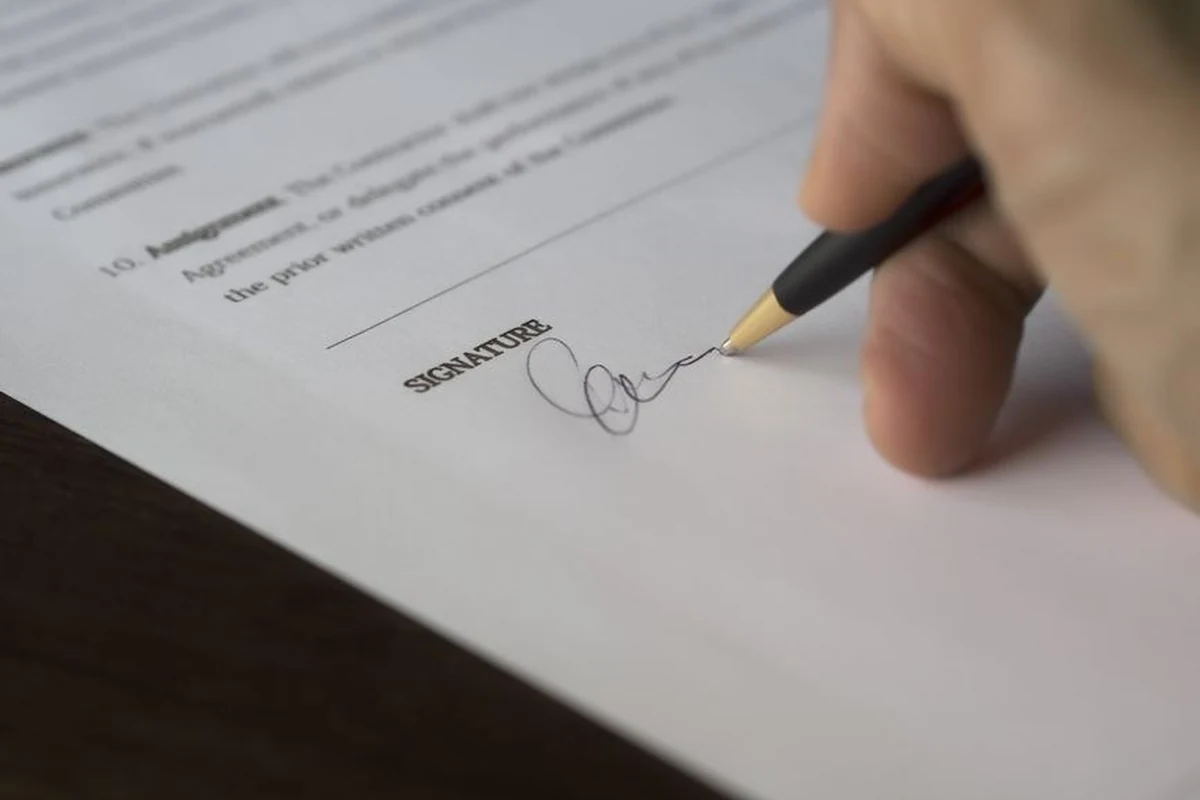
It usually arrives last, on a clipboard, when the decision already feels made. Yet it is the only written record of what you were told, what was ruled out, and who agreed to do what. A calm guide to the lines worth slowing down for.
The document you sign last and read least
Picture the sequence most people remember. You have chosen the clinic, chosen the date, arranged the leave, paid the deposit. On the morning itself you are in a gown, a little cold, a little nervous, and someone puts a clipboard in front of you with two or three pages of dense type and a pen clipped to the top. Sign here, and here, and initial that box.
Almost nobody reads it properly at that moment, and the honest reason is that it feels like a formality standing between you and a decision you made weeks ago. But the sequence is backwards. That document is the only written record of what you were told, what was ruled out, what was promised and what was not. It is worth reading when you still have the option of putting the pen down.
In Malaysia, the Ministry of Health and the Malaysian Medical Council treat informed consent as a process rather than a piece of stationery. The conversation is the consent; the form documents it. A form signed without that conversation records very little, and a conversation you understood is not undone by a form you skimmed.
What the form is actually doing
A consent form has three jobs. First, it names the procedure precisely — not 'nose surgery' but the specific technique, the extent, and where relevant the side and site. Second, it records that the material risks, the realistic outcome and the alternatives, including doing nothing, were explained to you. Third, it sets the boundary of what you have agreed to, including what should happen if the surgeon finds something unexpected once the procedure has begun.
It is a record, not a waiver. This is the most common misreading. Signing does not sign away the clinic's duty of care, and no clause can convert a preventable error into something you consented to. What your signature says is that you understood the risks that remain even when everything is done properly — which is a very different sentence.
Where a device is involved, the form should be specific about the device. For a breast implant, that means the type, the manufacturer and the batch or serial record going into your file, because that record is what a future doctor will need if you ever require a scan, a replacement or an assessment years from now. Ask where that record will be kept and how you can obtain a copy.

The lines worth slowing down for
The procedure name. Vague wording is where expectations quietly diverge. If your consultation discussed a specific technique or a staged plan, the form should say so, and it should not contain a broader description that permits more than you agreed to.
Who operates. The form should name the doctor who will perform the procedure. If it contains a clause allowing another practitioner to take over, that is not automatically wrong — schedules change and surgery is a team activity — but you are entitled to ask who the alternative would be and what their role is.
Anaesthesia and sedation. This is often a separate consent, and it deserves separate attention: what type is planned, who administers it, and who monitors you while you are under. If you have not already worked through who gives your anaesthesia and how the clinic is set up for it, the consent conversation is the moment to close that gap.
Risks, generic and personal. Most forms carry a standard list. The useful question is which of those risks are more relevant to you specifically — because you smoke, because of your blood sugar, because of your skin's tendency to pigment or to form thick scars. Ask for that answer out loud, and note it.
Photography and media. Clinical record photographs and marketing use are two different things, and you may consent to the first and decline the second. Read the clause carefully enough to know which one the box next to your initials refers to.
Revision terms. If a further procedure is needed later, who bears the cost of theatre time, the device, the anaesthesia? Clinics vary, and the answer is rarely on the form by default. Ask for the policy in writing before the day, not after.
A signature is the close of a conversation, not a substitute for one
Consent should be taken by the person who will perform the procedure, not handed across a counter by whoever happens to be at the desk. The counter can witness a signature; only the operating doctor can answer what the second page actually means for your case.
Ask for the form in advance. Reading it at home, days before, in an ordinary chair with an ordinary cup of tea, is a completely different experience from reading it in a gown. A clinic that is willing to email the document ahead of time is telling you something useful about how it works, and so is one that is not.
Language matters more than people admit. Clinics around Mont Kiara see patients who move between Malay, English, Mandarin, Korean and Japanese in a single week, so asking for the explanation in the language you actually think in is routine rather than awkward. Nodding through unfamiliar legal English is not consent, and an interpreter, or simply a slower explanation, is a reasonable request.

Consent can be withdrawn, and it can expire
You may change your mind at any point before the procedure begins, including in the room, including after the gown and the cannula. That right is clinical, and it is not overridden by any sentence on the page. Deposits and scheduling fees are a separate, commercial matter — they may cost you money, but they do not oblige you to go through with an operation.
Consent is also specific to the plan you discussed. If the technique changes, if an implant of a different type is proposed, if a second procedure is added to make better use of one anaesthetic, then what you signed no longer describes what is planned. That calls for a fresh explanation and a fresh signature, not an assumption that the original form stretches to cover it.
Time matters too. When months pass between signing and surgery, your health may have moved — a new medication, a new diagnosis, a pregnancy, significant weight change. Say so, even if you assume the clinic already knows. Re-confirming consent close to the date is normal practice, not a sign that anything has gone wrong.
How to arrive ready to sign well
Request the document early and read it with a pen in your hand. Underline anything you cannot restate in your own words, and write your questions in the margin rather than trusting yourself to remember them on the day; the morning of a procedure is not when anyone's memory is at its best.
Bring someone with you to the pre-operative discussion if you can. A second person hears different sentences, and afterwards you have two recollections instead of one. Then ask for a copy of everything you signed and keep it with your post-operative instructions, so that the record of what was agreed and the record of what to do next live in the same place.
None of this is distrust. A practice that is used to informed patients treats these questions as ordinary, and the questions themselves tend to make the eventual result easier to live with, because expectation and plan were aligned before anything began. If you are preparing for a procedure and want to work through the document line by line before the day, bring it to a consultation and go through it while there is still time to ask.
Magazine
16 September 2026 · 7 min read
Pico Laser Aftercare: Why Sun Protection Decides Whether Pigmentation Returns
Pico laser breaks pigment into fragments your body clears over the following weeks — but what happens to your skin in that window, not the laser settings, is usually what decides whether sunspots or melasma actually stay away. Here is what a proper aftercare routine covers.

15 September 2026 · 7 min read
HIFU Skin Tightening: Who Is (and Isn't) a Good Candidate
HIFU promises a lift without surgery, but the ultrasound energy behind it only works within a fairly narrow band of skin laxity. Here is how a proper consultation actually decides whether you fall inside that band — and what happens when the honest answer is no.