
Magazine
Ask who gives your anaesthesia — the question that tells you how a clinic is really run
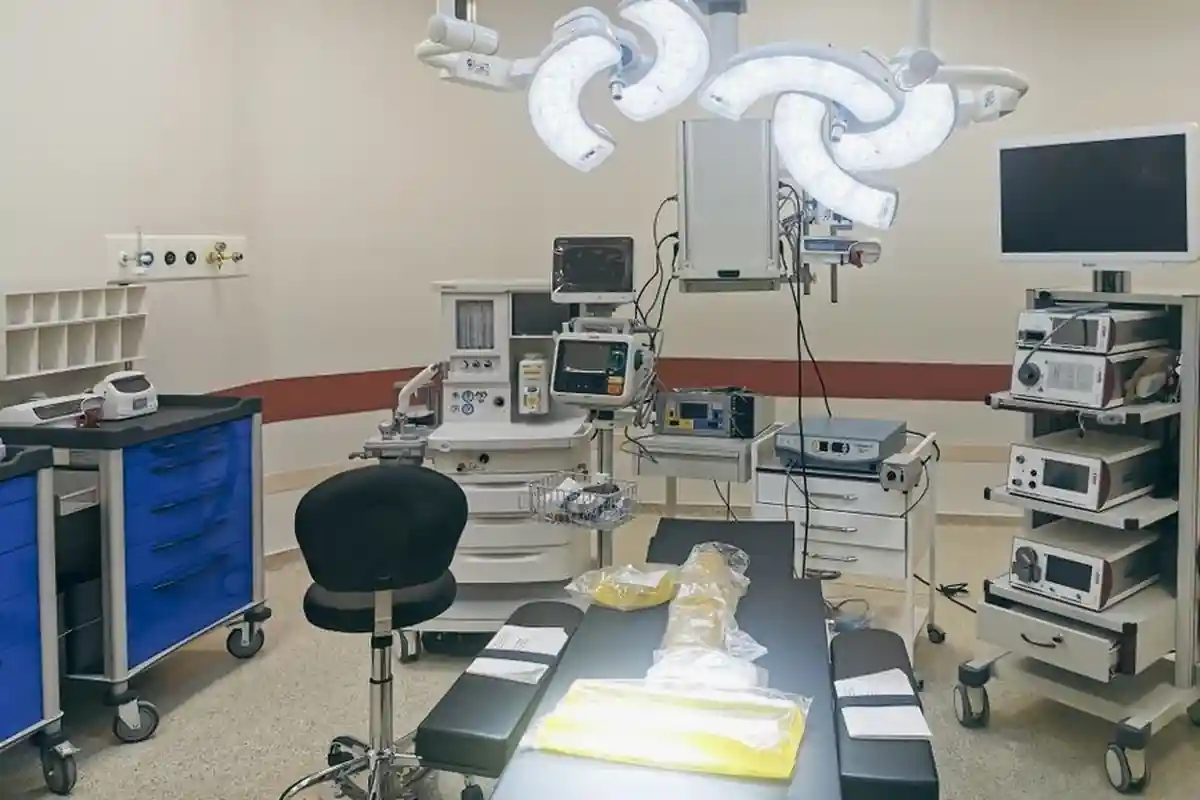
Most people research the surgeon for weeks and the sedation for about four seconds. What local, sedation and general anaesthesia each require of a team, what monitoring and facility licensing mean in Malaysia, and the questions to ask before you sign anything.
The question that gets skipped
Most people compare surgeons for weeks and think about anaesthesia for roughly four seconds. It is understandable. The operation is the part you can picture, while sedation feels like an administrative detail that somebody else quietly handles in the background. In practice the emphasis is upside down. The moment a procedure moves from a treatment chair to a bed, from numbing cream to sedation, the questions that matter most stop being about technique and start being about who is watching you, with what equipment, in a facility licensed for that kind of work.
None of this is a reason to be frightened of planned surgery. It is a reason to ask plain questions early, while you are still comparing clinics rather than sitting in a gown with a consent form in front of you. A team that runs a careful theatre answers these questions easily, often before you have finished asking. Vagueness is the signal worth noticing — not the content of the answer, but a reluctance to give one at all.
Checking the doctor's registration is a separate exercise, and one you can run yourself before you book. This article is about everything else in the room.
Local, sedation, general — three plans with three different requirements
Local anaesthesia numbs a defined area while you stay fully awake. It covers most injectable work, small excisions and many energy-device treatments. You can talk, you are aware of the room, and the medication acts where it is placed. The demands on the team are real but modest: correct dosing, awareness of the maximum safe amount for your body weight, and someone paying attention to how you are feeling rather than only to the field they are working on.
Sedation is not one thing. It is a spectrum that runs from mild anxiety relief, where you are drowsy but responsive, through to deep sedation, where you are not meaningfully rousable and your breathing may need support. That last part is why the word 'twilight' can be misleading. Deep sedation asks nearly as much of a team as general anaesthesia does, because the same things can happen to an airway, and a person who has drifted deeper than intended needs someone whose only job is to notice.
General anaesthesia means controlled unconsciousness with the airway actively managed, and it is the usual plan for longer or more extensive procedures — larger-volume liposuction, for example, or work involving several areas in one session. It is not inherently more dangerous than deep sedation; it is more explicit. Everything it requires — a dedicated anaesthetist, full monitoring, a facility equipped for it — is written into the plan rather than assumed.
Who stays with you while you are asleep
The single most useful question you can ask is also the simplest: who administers the anaesthesia, and is that the same person performing the procedure? For light local work the answer is reasonably the operating doctor. For deep sedation or general anaesthesia, a separate practitioner whose sole responsibility is your anaesthesia and monitoring is the arrangement you want to hear described without hesitation. In Malaysia, specialist anaesthesiologists appear on the National Specialist Register, and asking which named practitioner will be present is a fair, ordinary question.
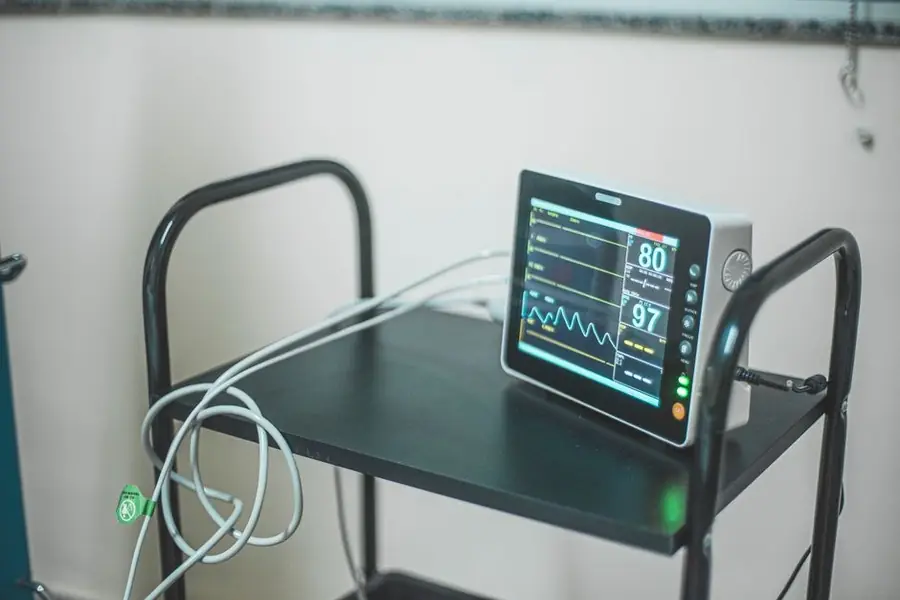
Then ask what will be monitored and recorded. Continuous pulse oximetry, blood pressure, and ECG are the baseline for sedation; for deeper sedation and general anaesthesia, monitoring of exhaled carbon dioxide gives an early warning about breathing that oxygen saturation alone can lag behind. Ask whether readings are documented in a chart during the case. A written record is not bureaucracy — it is evidence that someone was watching the numbers rather than glancing at them.
Finally, ask what happens if something changes. Every facility that provides sedation should be able to describe, without improvising, where the resuscitation trolley is, which staff hold current life-support certification, how oxygen and emergency medication are checked, and what the written arrangement is for transferring a patient to a nearby hospital. You are not expecting drama. You are checking that the plan exists on paper and not only in someone's confidence.
The room is a licensed thing, not just a tidy one
A consultation clinic and a facility permitted to perform day surgery under sedation are different categories under Malaysian law. Private healthcare premises are regulated under the Private Healthcare Facilities and Services Act 1998, and the registration or licence a facility holds should be displayed where patients can see it. Asking which category your procedure falls under is not an accusation; it is the same instinct that makes you check a restaurant's grade on the door.
Sterility is worth a question too, phrased practically rather than technically. Are instruments single-use or sterilised in-house, and if in-house, how is each cycle verified? If a device is being implanted, is the lot or batch number recorded in your file and given to you? Traceability matters years later, when a manufacturer issues a notice or a different doctor needs to know exactly what is inside you.
Location has a quieter role in the same decision. Post-operative reviews are frequent in the first fortnight and inconvenient reviews get skipped, which is one reason people choose a clinic they can reach easily — the cluster around Mont Kiara exists partly because so many patients live and work within a short drive of it. Convenience is not a safety feature by itself, but a follow-up you actually attend is.
Waking up is a stage, not an event
Anaesthesia does not end when the procedure does. There is a recovery period in which you are observed until specific criteria are met, and those criteria are usually more concrete than patients expect: awake and oriented, stable observations over a period rather than at a single moment, pain controlled with oral medication, able to drink, able to pass urine, and accompanied by a responsible adult who will take you home. Ask where this happens and who is present in that space.
The instructions that follow you out of the door matter as much. You should not drive, operate anything requiring judgement, or travel alone for the rest of the day, and someone should stay with you overnight after sedation or general anaesthesia. Ask for written aftercare instructions and a contact number that a human being answers outside office hours. If the answer is a general reception line that closes at six, that is a genuine finding about how the service is organised.
It also helps to know in advance what an ordinary recovery looks like for your procedure — the swelling curve, the days when things typically feel worse before better — so that you can tell the difference between expected and unexpected. Every clinic should be willing to describe both, and to tell you plainly which symptoms warrant a call rather than a wait.
What to ask, and what to disclose
Six questions cover most of it. Who administers my anaesthesia, and what is their registration? What level of anaesthesia is planned, and why that level for this procedure? What monitoring will be used and recorded? What category of licence does this facility hold? What is the written plan if my condition changes during the case? And who do I call at two in the morning on day three? Write them down and take the list with you; nobody has ever been thought difficult for asking them.
The disclosure runs in both directions, and your half is not optional. Tell the team about every medication and supplement, including the ones that feel irrelevant — fish oil, high-dose vitamin E, traditional and herbal preparations, and weight-loss injections, which change how the stomach empties and therefore change fasting advice. Mention snoring or diagnosed sleep apnoea, reflux, past reactions to anaesthesia in you or close family, smoking or vaping, and any recent illness. These details change the plan, and a plan built on incomplete information is the avoidable risk in this entire article.
If you are weighing up a procedure and would like these questions answered about your own case rather than in the abstract, that is precisely what a consultation is for. Bring the list, bring your medication names, and arrange a consultation before you commit to a date.
Magazine

16 September 2026 · 7 min read
Pico Laser Aftercare: Why Sun Protection Decides Whether Pigmentation Returns
Pico laser breaks pigment into fragments your body clears over the following weeks — but what happens to your skin in that window, not the laser settings, is usually what decides whether sunspots or melasma actually stay away. Here is what a proper aftercare routine covers.
15 September 2026 · 7 min read
HIFU Skin Tightening: Who Is (and Isn't) a Good Candidate
HIFU promises a lift without surgery, but the ultrasound energy behind it only works within a fairly narrow band of skin laxity. Here is how a proper consultation actually decides whether you fall inside that band — and what happens when the honest answer is no.