
Magazine
Combining Procedures: Why Some Cosmetic Surgeries Can't Share One Session

Doing two procedures on the same day sounds efficient, but anaesthesia time, blood loss and swelling don't simply add together. What decides whether a combined session is reasonable — and when staging it over two visits is the safer plan.
What Combining Procedures Actually Means
It comes up in almost every consultation that involves more than one concern. A patient wants a change to the midsection and the jawline, or a lift and a laser treatment, and asks a version of the same question: can it all happen on the same day, under the same anaesthesia, so there is only one recovery to plan around instead of two? The appeal is obvious — one trip, one round of time off work, one set of arrangements for someone to help at home.
It is a real question a surgical team weighs, not a scheduling convenience they either grant or refuse on request. Whether two procedures can share a session depends on what kind of procedures they are, how long each takes on its own, and what a patient's health history allows — not on how efficient it would be to bundle them. Two non-surgical treatments booked back to back are a different conversation entirely from two surgical procedures under general anaesthesia, and the two get treated very differently in a responsible planning discussion.
Age, weight, existing conditions such as diabetes or clotting disorders, and even how a patient's body responded to any previous procedure all factor into that assessment. A combination that is straightforward for one patient can be the wrong plan for another with an otherwise similar request, which is why a generic answer to 'can these be combined' is rarely a useful one.
Why Anaesthesia Time Is the Real Limit
General anaesthesia has a duration that is considered reasonable for a single sitting, and it is shorter than many patients expect once you add the actual operating time of two procedures together. Every additional hour under anaesthesia adds cumulative load — on blood pressure, on fluid balance, on temperature regulation, on the body's ability to clot and to heal. A surgeon weighing a combined case is not just adding two procedure times on a calendar; they are asking whether the total time and physiological demand still sit inside a safe range for that specific patient, on that specific day.
This is also where the team administering and monitoring the anaesthesia matters as much as the surgeon doing the cutting. A combined case is a longer, more complex case to monitor, and it deserves the same scrutiny as any other part of the plan — worth reading alongside our separate piece on who gives your anaesthesia and what that says about how a clinic is run.
Questions Worth Asking Before You Agree to a Combined Day
A useful consultation walks through the combination specifically, not in general terms. Worth asking directly: what is the estimated total anaesthesia time for both procedures together, and how does that compare with what the team considers a reasonable ceiling? If liposuction is one of the two, how does the fluid shift and swelling from that procedure interact with the second site — does it change bruising, drainage or how soon you can move comfortably?
It is also fair to ask the reverse question: what would change about the recovery plan, the cost, or the risk if the two were staged into separate visits instead? A team that has genuinely thought this through can lay out both paths — combined and staged — with the trade-offs of each, rather than defaulting to whichever is easier to schedule. If a facelift and a body-contouring procedure are both being discussed, that is exactly the kind of pairing worth asking about explicitly, since a facelift alone already carries its own recovery timeline before anything else is added to it.
Ask, too, who else is in the room for a combined case — whether a second surgeon or an additional assistant is required once total time crosses a certain threshold, and whether the facility itself is equipped and licensed for a longer procedure day. These are not awkward questions to raise; a clinic that plans combined cases carefully expects them and generally answers before you finish asking.
Recovery Is Not Simply Added Together
This is the part patients underestimate most. Downtime from two combined procedures is not procedure A's recovery plus procedure B's recovery, running on separate clocks. Swelling from one site can make it harder to rest in the position needed for the other. Compression garments, sleeping angles, and activity limits sometimes work against each other rather than alongside each other, and a plan that does not account for that in advance leaves a patient improvising a week eleven.
There is also the honest question of how a body handles two healing processes running in parallel rather than one at a time — energy, appetite, and the general capacity to rest and recover are not unlimited. A realistic recovery plan for a combined session spells out, day by day for at least the first two weeks, which restrictions apply to which site and where they overlap.

When Staging Into Two Visits Is the Safer Plan
For some pairings, particularly a surgical procedure alongside a non-surgical one, staging the second treatment weeks or months after the first is the more common recommendation — letting the surgical site heal fully before introducing heat, energy devices, or additional swelling nearby. This is not a clinic being cautious for its own sake; it is usually the difference between a result that settles predictably and one that is harder to read because two healing processes overlapped.
The honest answer to 'can we combine these' is almost always specific to the person asking, not a general rule that applies to every pairing of procedures. A consultation at a clinic near Mont Kiara is the right place to walk through your particular combination with your actual health history on the table, rather than deciding from a list of what other patients have done. If you are weighing more than one procedure, it is worth booking a consultation specifically to talk through whether a combined session or a staged plan fits your situation.
Magazine
16 September 2026 · 7 min read
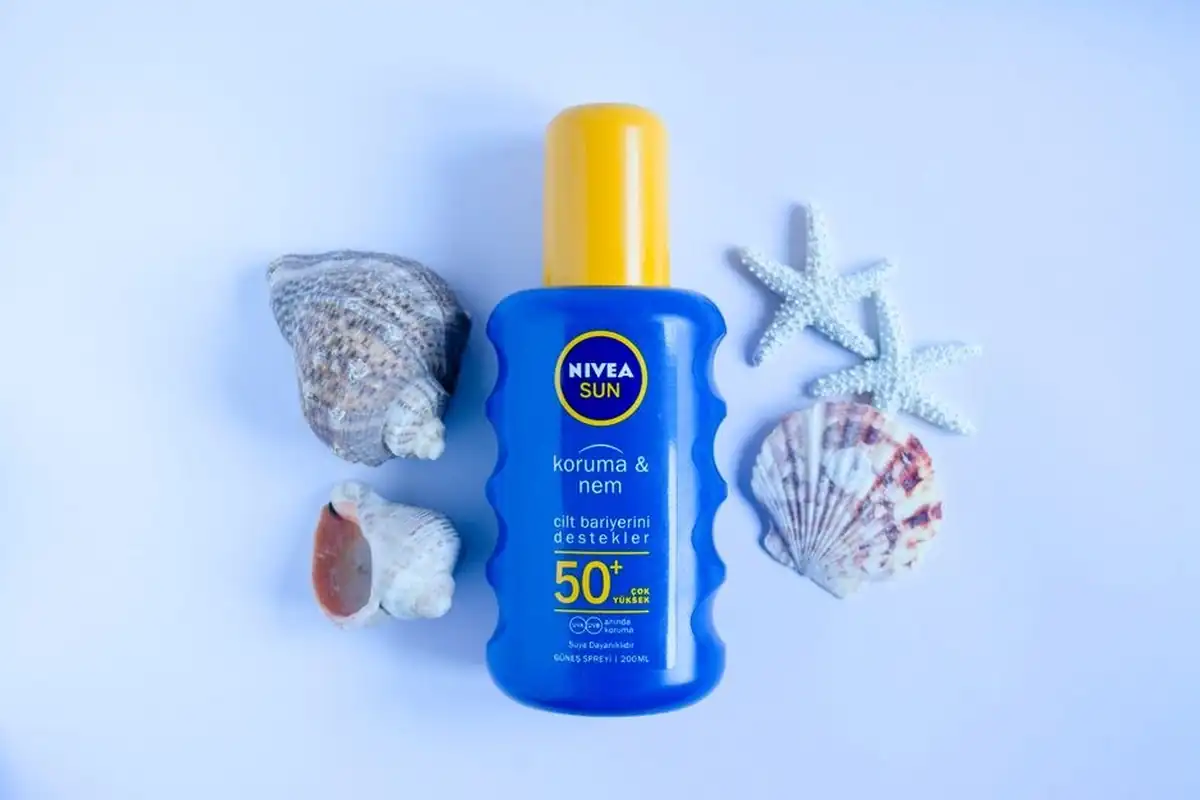
Pico Laser Aftercare: Why Sun Protection Decides Whether Pigmentation Returns
Pico laser breaks pigment into fragments your body clears over the following weeks — but what happens to your skin in that window, not the laser settings, is usually what decides whether sunspots or melasma actually stay away. Here is what a proper aftercare routine covers.
15 September 2026 · 7 min read
HIFU Skin Tightening: Who Is (and Isn't) a Good Candidate
HIFU promises a lift without surgery, but the ultrasound energy behind it only works within a fairly narrow band of skin laxity. Here is how a proper consultation actually decides whether you fall inside that band — and what happens when the honest answer is no.