
Magazine
Body Sculpting Devices: What Non-Surgical Fat Reduction Can and Cannot Do
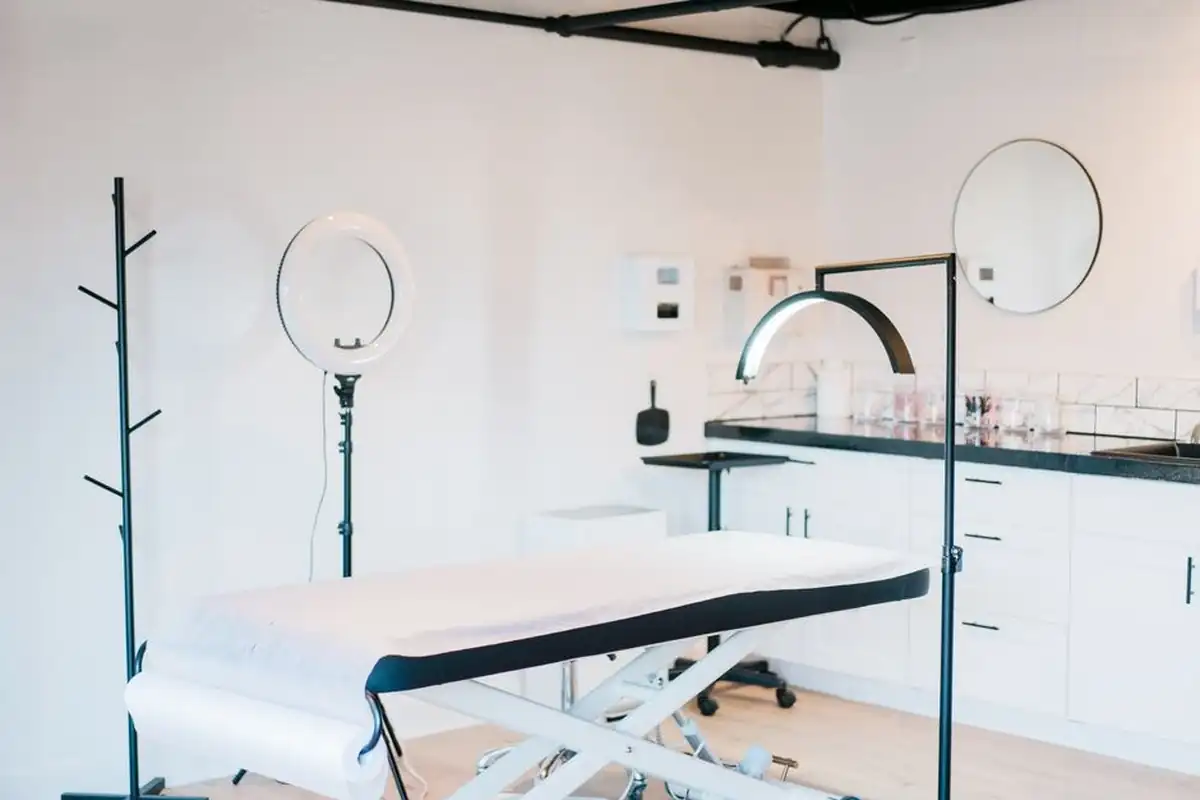
Body sculpting technology has a real but narrow job. It is not a weight-loss method, it will not tighten loose skin, and it does not work on the timeline of surgery. A grounded look at what these devices are actually built for.
What body sculpting devices are actually built to do
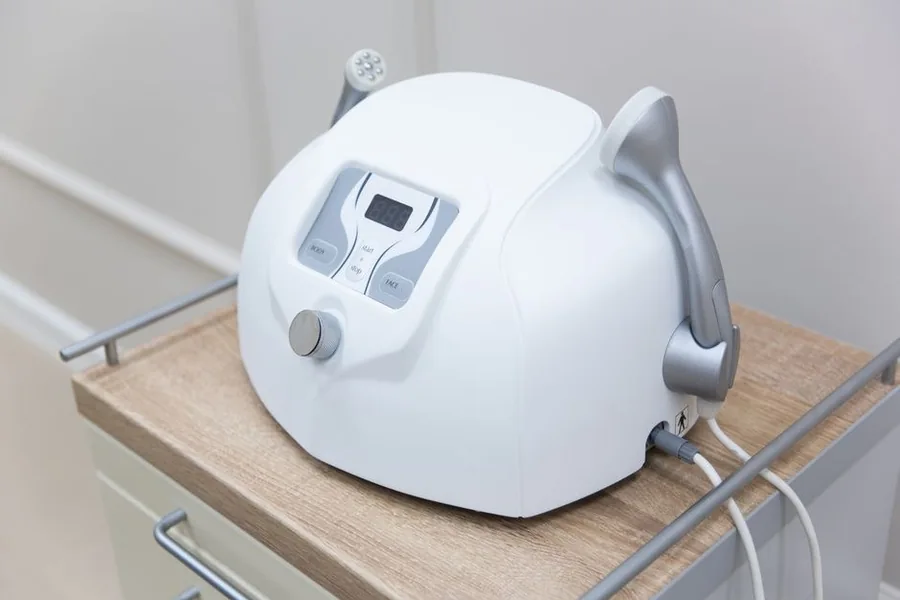
Body sculpting is the umbrella term for non-invasive devices designed to reduce small, stubborn pockets of subcutaneous fat — the kind that tends to persist in specific areas such as the abdomen or flanks despite a reasonable diet and regular exercise. Depending on the technology, these devices work by applying controlled heat, cooling or mechanical energy through the skin, disrupting fat cells in the treated layer without cutting into it. There is no incision and no scalpel involved.
The treated fat cells are then cleared gradually by the body's own processes over the following weeks, which is why a course is built around a series of sessions rather than a single visit. It is a contouring tool for localised fat, not a weight-loss method, and it is not designed to move the number on a scale.
At our body sculpting sessions in Mont Kiara, that distinction is the first thing an assessment establishes, before anything else is discussed. A doctor looks at the specific area, the amount of fat present and your general health history before any technology is recommended.
Who a device like this is actually built for
A reasonable candidate is usually someone close to a stable, comfortable weight, with one or two defined pockets of fat that have not responded to lifestyle changes, and skin that still has reasonable elasticity. The technology is built to refine a shape that is already close to what someone wants, not to create it from a very different starting point.
It is not intended for significant excess weight, for skin that has lost elasticity after a major weight change, or for anyone expecting the scale of change associated with a surgical procedure. Candidacy is a clinical judgement made in person, not something a photo or an online quiz can answer honestly — and a clinic that skips straight to booking a package without that judgement is worth being cautious about.
Clinics such as ours near Sri Hartamas build that judgement around your history, the specific areas you're concerned about, and an honest account of what the technology can and cannot reach — before any session is booked.
What a typical course looks like
Most protocols involve a series of sessions spaced weeks apart, because the mechanism relies on the body gradually processing treated fat cells rather than removing volume in a single procedure. Visible change tends to build over the one to three months following a course — not the day you walk out of the session, and not after the very first appointment.
That timeline sits at the opposite end from surgical fat removal, which produces an immediate reduction in volume but carries an incision, anaesthesia and a recovery period that a non-invasive device does not require. Neither approach is automatically the better one; it depends on the amount of fat involved, the area treated, and what you are prepared to trade for the result — time and patience on one side, or downtime and a more involved procedure on the other.
Maintenance also depends on your weight staying reasonably stable afterward. The technology treats the fat cells present at the time of the session — it has no mechanism to prevent new fat storage if your weight changes significantly later on, which is why it works best alongside habits you can actually keep up.
What body sculpting does not do
It does not tighten loose or sagging skin. Skin laxity is a separate structural issue, and fat-reduction devices are not built to address it, regardless of the area treated or how many sessions are completed.
It also does not deliver the scale of contour change associated with surgery, and no honest clinic will present a course as a substitute for one. If skin laxity, rather than fat volume, is your main concern, that is a different technology question worth understanding before you book — our guide to ultrasound lifting devices covers how those tools address skin tightening rather than fat volume, and why the two are so often confused.
There is no promised measurement or guaranteed outcome attached to a course, either. A device's effect varies by area, tissue and how consistently the sessions are completed, which is exactly why an assessment sets expectations before it sets a schedule.
What's worth asking before you book a course
There is nothing wrong with wanting a more defined shape in one specific area — that is a reasonable goal, and it is exactly what this category of device was designed around. The problem only arises when the goal drifts toward something the technology was never built to deliver.
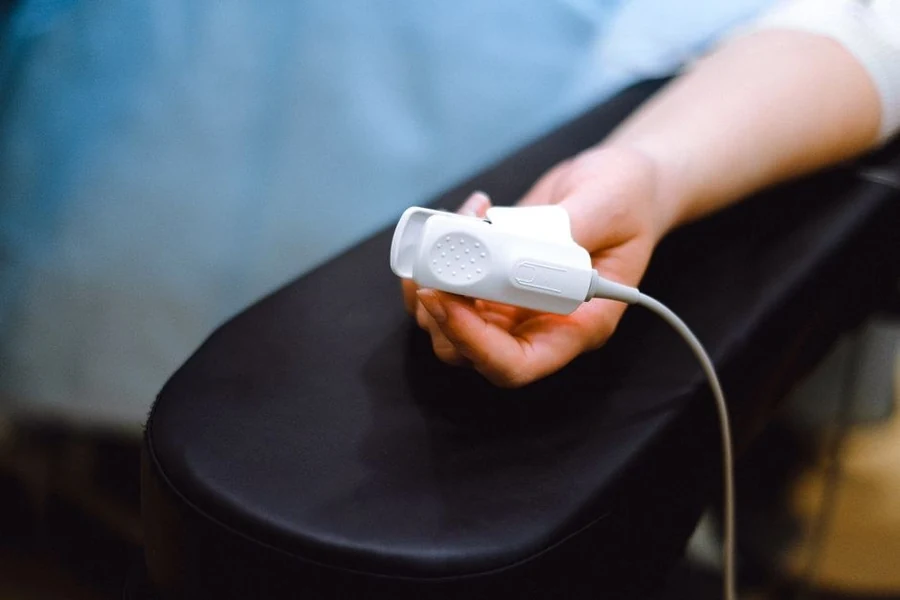
Ask what device technology is being used, how many sessions a comparable case has typically needed, and who operates it — a nurse working under supervision, or the doctor directly. Ask how results are usually assessed, and what a realistic timeline looks like for the specific area you want addressed.
It is also fair to ask what happens if the first session produces no noticeable change, and how that would affect the rest of the plan. A clinic that answers those questions plainly, without pressure toward a longer package, is one worth trusting with the rest of the conversation.
Ask, too, how the clinic expects you to maintain the area afterward — diet, activity, or a simple check-in appointment months later. A plan that only ends at the last session, with no mention of what happens after, has left out a part of the picture.
If you're weighing whether body sculpting suits what you're trying to change, an assessment is the only way to get a straight answer. Book a consultation and bring your questions with you.
Magazine
16 September 2026 · 7 min read
Pico Laser Aftercare: Why Sun Protection Decides Whether Pigmentation Returns
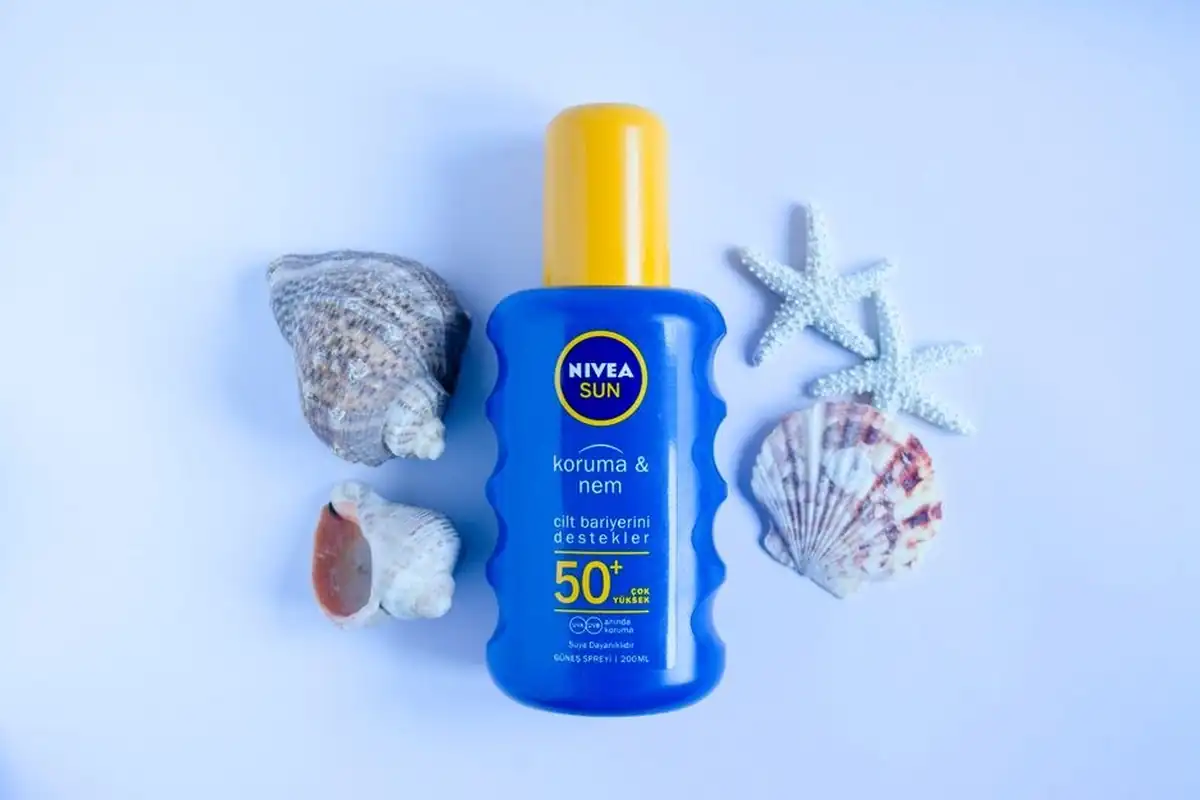
Pico laser breaks pigment into fragments your body clears over the following weeks — but what happens to your skin in that window, not the laser settings, is usually what decides whether sunspots or melasma actually stay away. Here is what a proper aftercare routine covers.
15 September 2026 · 7 min read
HIFU Skin Tightening: Who Is (and Isn't) a Good Candidate
HIFU promises a lift without surgery, but the ultrasound energy behind it only works within a fairly narrow band of skin laxity. Here is how a proper consultation actually decides whether you fall inside that band — and what happens when the honest answer is no.