
Magazine
Titanium Ultrasound Lifting: What Focused Ultrasound Actually Tightens in Kuala Lumpur
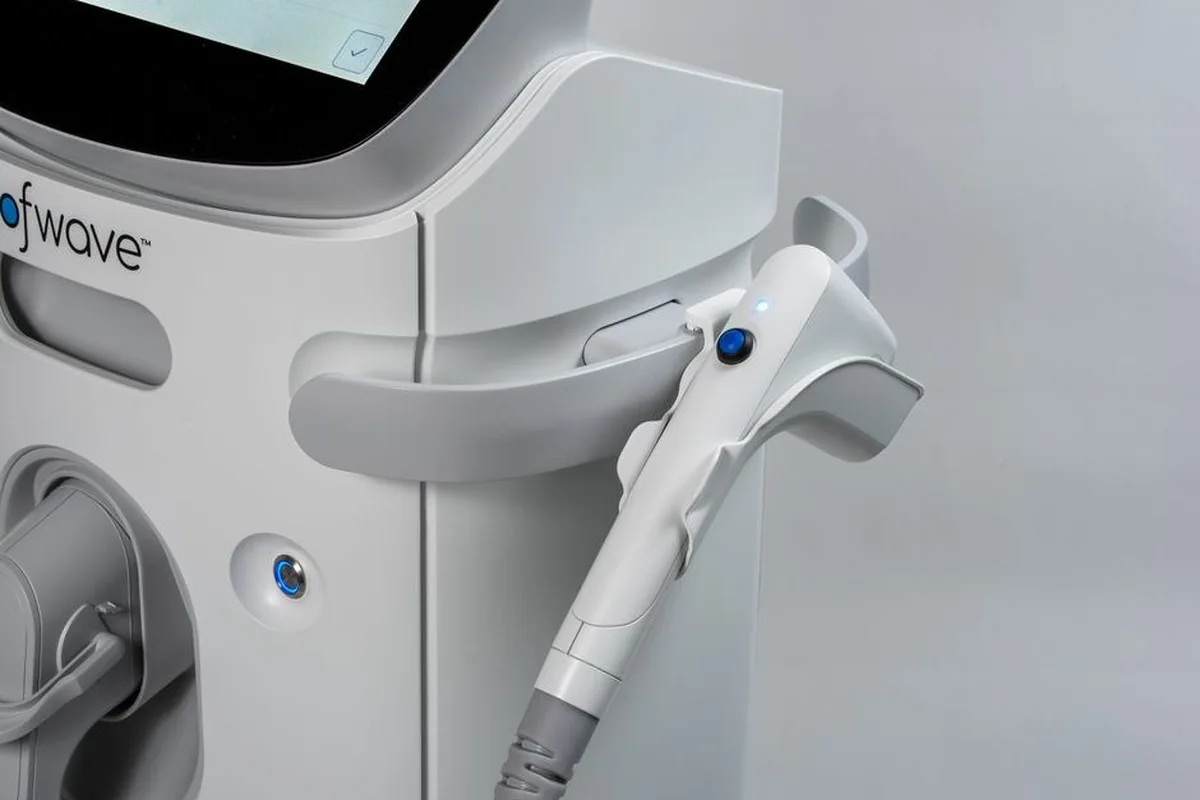
A newer focused-ultrasound option for the jawline and neck, walk-in and walk-out with no needles or downtime. What it actually reaches under the skin, who it suits, and how it differs from a facelift and from other lifting devices.
What Titanium Ultrasound Actually Does
Titanium Ultrasound is a newer-generation focused-ultrasound treatment for the jawline, chin-to-neck angle and lower face. Calibrated ultrasound energy is delivered to the deeper supportive layers of the skin — the same layers addressed in surgical lifting — which produces a tightening effect you can often notice the same day, followed by a slower collagen response over the weeks after.
It is a walk-in, walk-out option: no needles, no incisions, and nothing to bandage afterwards. That makes it easy to describe, but it also makes it easy to oversell — focused ultrasound tightens tissue that is already reasonably supported. It does not remove excess skin or fat the way a surgical procedure does, and no honest consultation will tell you otherwise.
Titanium sits in the same broad family as HIFU lifting — both use focused ultrasound to reach the skin's support layers — but the two protocols differ in depth and coverage. Which one is actually appropriate for a given face is a question for an in-person assessment, not a brochure.
It's worth being specific about what 'reaching the support layers' means in practice: the energy is focused at a set depth beneath the skin's surface, so the outer skin itself is not the target and is largely undisturbed by the passes. That is part of why there is no wound to heal — the treatment works on tissue you cannot see rather than tissue that needs to close.
Who This Treatment Actually Suits
The people who tend to be good candidates have early-to-moderate laxity: a jawline that has lost some of its edge, fullness that blurs the chin-to-neck angle, or skin that looks fine across a room but reads as 'soft' in photographs. Titanium is a refining treatment rather than a dramatic one, and a practitioner who is being straight with you will describe it that way.
It is a poor fit for advanced laxity — the kind where skin has genuinely stretched beyond what any energy-based device can retract. In that situation, a facelift is usually the more honest recommendation, and a clinic worth trusting will say so instead of selling a course of sessions that were never going to close the gap.
Because candidacy depends on how thick your skin is, how much laxity is actually present and what you're hoping to see change, this is one of the treatments where a short in-person assessment tells you more than any amount of reading. Age is a weak predictor on its own — two people the same age can have very different amounts of laxity depending on genetics, sun exposure and past weight change, which is exactly why intake questions exist.
What a Session Actually Feels Like
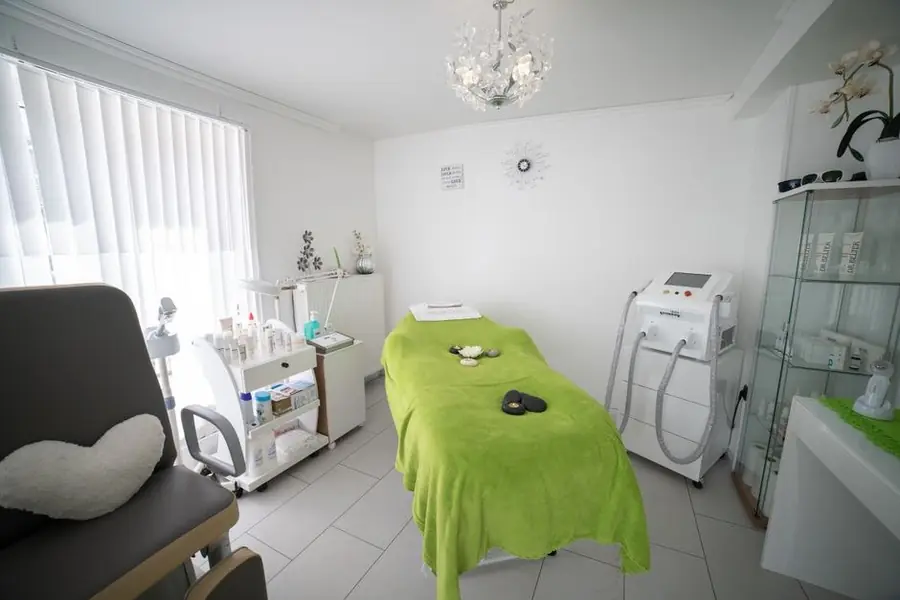
A session typically runs forty-five to sixty minutes. The practitioner maps the treatment area first, then delivers focused ultrasound passes at calibrated depths along the jawline, lower face and neck, checking comfort as they go. Most people describe warmth or brief prickling on some passes rather than pain, and settings are adjusted in response rather than fixed in advance.
There is genuinely nothing to hide afterwards. A mild flush or tenderness along the treated lines can last anywhere from a few hours to a day or two, and normal activities — makeup, exercise, going back to work — resume immediately. That no-downtime part is one of the few claims about this category of device that is reliably true.
The visible part of the result is usually gradual rather than immediate in full. Some tightening along the jaw and neck line is often noticeable on the day itself, but the main change builds over roughly eight to twelve weeks as collagen renews underneath — which is why a single photo taken a week after treatment tells you very little.
How It Differs From a Facelift and From Other Lifting Devices
A facelift repositions and removes tissue surgically; Titanium Ultrasound tightens tissue that is already there by prompting a collagen response. Neither is a smaller or larger version of the other — they solve different problems, and a consultation that recommends one over the other should be able to explain why in terms of your specific laxity, not in terms of what happens to be in the room that day.
The same distinction applies inside the non-surgical category. Titanium's focused-ultrasound approach differs mechanically from microwave-based devices such as Sculpt Pro, and results, sensation and the ideal candidate can all differ between them even though the marketing language often sounds interchangeable. If you're comparing options before a first visit, our breakdown of how HIFU, Sculpt Pro and Titanium Ultrasound actually differ goes through each mechanism on its own terms rather than ranking them against each other.
For patients based around Mont Kiara or Sri Hartamas, proximity often makes a walk-in, walk-out treatment like this easier to fit around work — but convenience is a scheduling advantage, not a reason to skip the assessment that decides whether it is the right treatment in the first place.

Questions Worth Asking Before You Book
A useful consultation will walk through what depth settings are planned for your skin, roughly how many sessions are being suggested and why, and how progress will actually be tracked between visits — same lighting, same angle, same distance, ideally by the practitioner rather than a phone camera at home.
It's also worth asking directly what result is realistic for your degree of laxity, and whether a different treatment — including a surgical one — would serve you better. A practitioner willing to recommend something other than the device in front of them is generally a good sign.
Ask, too, who is actually operating the device and what training they hold — focused-ultrasound equipment is not interchangeable with basic facial machines, and settings that suit one person's skin can be wrong for another's. A clinic that welcomes that question, rather than treating it as an inconvenience, is telling you something useful about how it is run.
If you're weighing Titanium Ultrasound against other options for the jawline and neck, an in-person consultation in Sri Hartamas is the fastest way to find out where your skin actually sits, and what a realistic plan looks like from there. You can get in touch to arrange a time that works for you.
Magazine

16 September 2026 · 7 min read
Pico Laser Aftercare: Why Sun Protection Decides Whether Pigmentation Returns
Pico laser breaks pigment into fragments your body clears over the following weeks — but what happens to your skin in that window, not the laser settings, is usually what decides whether sunspots or melasma actually stay away. Here is what a proper aftercare routine covers.
15 September 2026 · 7 min read
HIFU Skin Tightening: Who Is (and Isn't) a Good Candidate
HIFU promises a lift without surgery, but the ultrasound energy behind it only works within a fairly narrow band of skin laxity. Here is how a proper consultation actually decides whether you fall inside that band — and what happens when the honest answer is no.