
Magazine
Surgical or non-surgical? Choosing the right approach

Not every concern needs surgery — and not every concern can be solved without it. Here is how to think about the difference.
What non-surgical treatments do well
Non-surgical options such as HIFU, lasers and energy- or injectable-based treatments are excellent for early to moderate concerns: skin laxity, pigmentation, texture, or small, localised areas. They usually involve little or no downtime and bring gradual, natural change over a course of sessions. They are a strong choice when you want subtle refinement or maintenance, or when you are simply not ready for surgery.
When surgery is the better choice
Surgery addresses what non-surgical treatments cannot. Significant excess skin, advanced sagging, or a structural change — to the nose, eyelids or body contour — usually needs a surgical solution to give a meaningful, lasting result. Surgery involves downtime and carries real risks, but for the right concern it can achieve what no device or injectable can match.
Often, the answer is a combination
Many treatment plans blend both. Surgery may restore structure while non-surgical therapies maintain skin quality over time. The right balance depends on your anatomy, your goals, your budget and how much downtime suits your life. There is rarely a single 'best' treatment — only the one that genuinely fits you.
How a good clinic helps you decide
An experienced clinic assesses you honestly and explains the trade-offs of each route, rather than pushing the most expensive option. We will tell you when a non-surgical treatment is enough, and equally when surgery would serve you better. The goal is a result that is safe, natural and right for you — not simply more treatment.
A practical example — the lower face
Take the lower face as an example. A patient in her early thirties with mild jawline laxity and good skin quality usually has a non-surgical option that is genuinely worth trying first — HIFU or radio-frequency, paired with consistent daily SPF and a simple skin routine. The result is subtle and natural; nobody asks if she had something done, but those who knew her well can see the difference at six months.
A patient in her late fifties with significant skin and tissue laxity is a different conversation. Non-surgical treatments will help her skin tone and texture, but they will not reproduce a surgical lift. Recommending HIFU here would be over-promising. In our practice, the most important part of this discussion is matching the right tool to the right anatomy, not selling the more expensive option.
Magazine
16 September 2026 · 7 min read
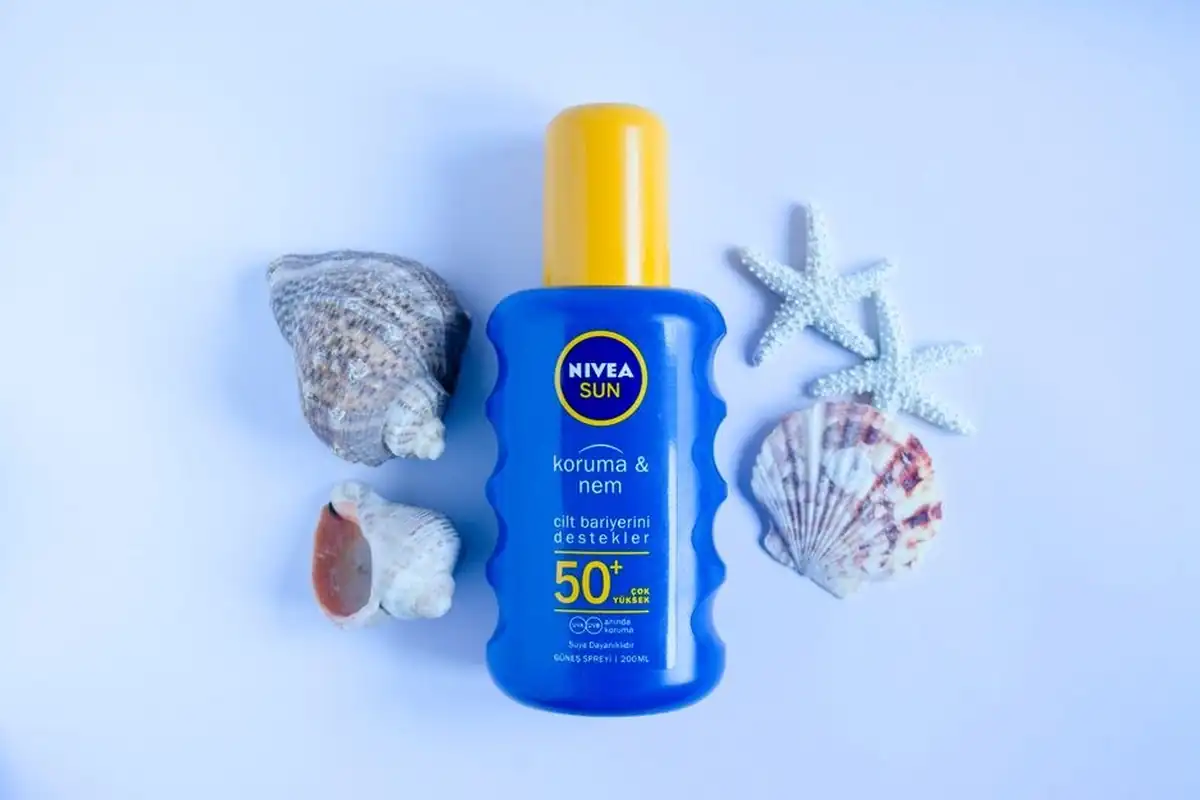
Pico Laser Aftercare: Why Sun Protection Decides Whether Pigmentation Returns
Pico laser breaks pigment into fragments your body clears over the following weeks — but what happens to your skin in that window, not the laser settings, is usually what decides whether sunspots or melasma actually stay away. Here is what a proper aftercare routine covers.

15 September 2026 · 7 min read
HIFU Skin Tightening: Who Is (and Isn't) a Good Candidate
HIFU promises a lift without surgery, but the ultrasound energy behind it only works within a fairly narrow band of skin laxity. Here is how a proper consultation actually decides whether you fall inside that band — and what happens when the honest answer is no.