
Magazine
Sculpt Pro Skin Tightening: What This Coolwaves Microwave Treatment Actually Does
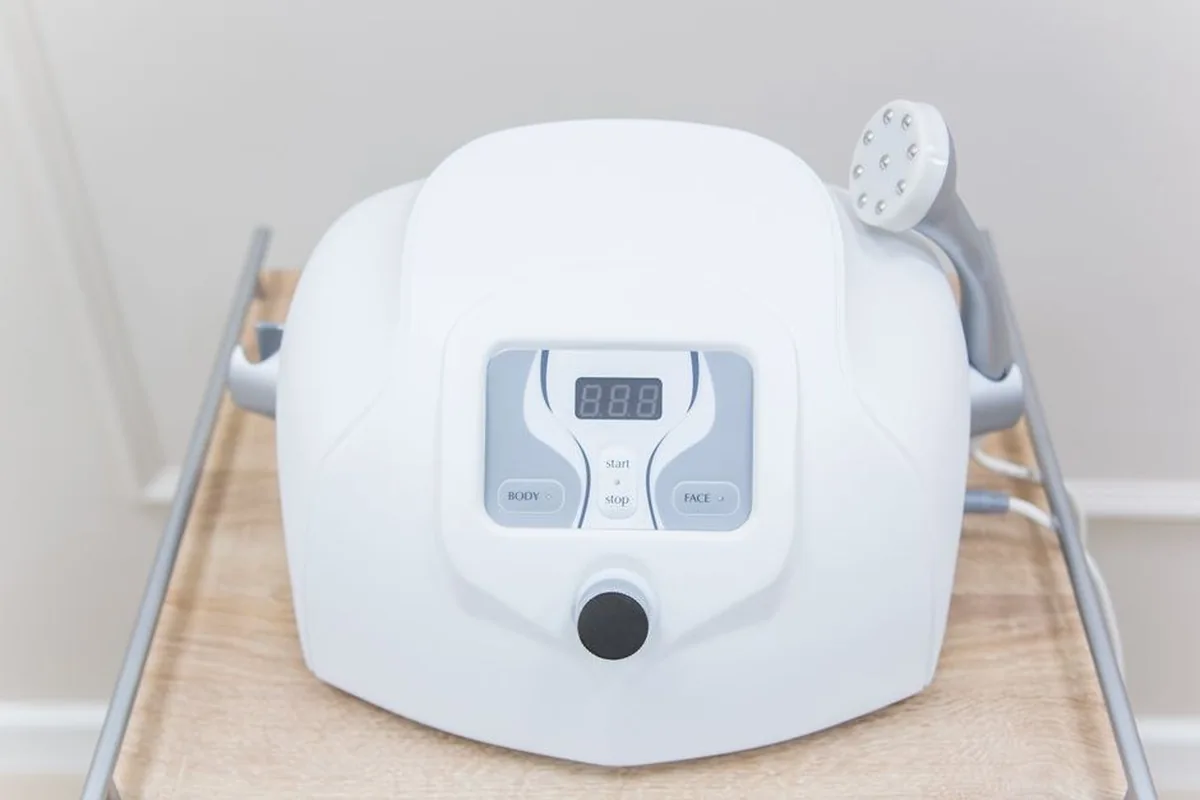
Sculpt Pro uses Coolwaves™, a patented microwave energy, for non-surgical skin tightening and localized fat contouring — an honest look at how it works, what a course involves, and where its limits sit next to surgery.
What Sculpt Pro Actually Is
Sculpt Pro is a non-surgical device treatment built around Coolwaves™, a patented microwave energy that passes selectively through the skin's surface to reach the dermis and the fat layer beneath it — the depth where skin laxity and stubborn fat pockets actually develop. Because less energy is spent heating the surface itself, sessions tend to feel gentler than older thermal devices, while heat still builds precisely where it's designed to have an effect.
It sits in the same non-surgical category as the Sculpt Pro treatment offered at Valley Beauty — no incisions, no general anaesthesia, and typically little to no downtime. That said, 'non-surgical' is not the same as 'answers every case'; what a specific area and skin type can realistically expect is something a practitioner needs to assess in person, not something a device brochure can settle in advance.
What People Usually Bring It To a Consultation For
In practice, people usually ask about Sculpt Pro for one of three reasons: mild-to-moderate skin laxity on the face or body, a localized area of fat that hasn't responded to diet and exercise, or general skin texture concerns they'd like addressed without surgery. None of those are guarantees of candidacy — they're simply the starting questions a consultation works through.
It's also common for Sculpt Pro to come up as one option among several, rather than the obvious answer from the start. Some people are weighing it against a more invasive procedure and want a non-surgical option to try first; others are using it as maintenance between larger procedures. Either way, candidacy is decided in the room, after a practitioner has actually looked at the area — not from an article, and not from a friend's result, which will not be identical to yours.
It's just as useful to know when Sculpt Pro is usually not the first suggestion. Pregnancy, active skin infections in the treatment area, or certain implanted devices are the kind of things a practitioner needs to rule out before treatment — which is exactly why the intake questions at a first visit exist, rather than being a formality to skip through.
What a Course Actually Looks Like
Coolwaves treatments like this are almost always delivered as a course rather than a single visit, because the tissue response that produces visible change builds gradually. How many sessions a specific case needs, and how far apart they're spaced, is a decision the practitioner makes based on the area being treated and how the tissue is responding along the way — there is no single number that applies to everyone, and a clinic that quotes one before assessing you in person is worth a second question.
During a session, most people describe a warming sensation as the handpiece moves across the treatment area; anaesthesia isn't typically part of the treatment. Most people return to normal activity the same day, though a practitioner should confirm that specifically for your case and skin, since sensitivity and after-effects vary from person to person.
Because it's a course rather than a one-off, it's worth asking upfront how progress is actually being tracked between sessions — whether that's photos taken under consistent lighting, measurements, or simply a practitioner's notes comparing area by area. A clinic that can show you that kind of tracking is usually one that takes the course seriously rather than treating each visit as a standalone appointment.
Where Sculpt Pro's Limits Sit
Sculpt Pro works on the skin and the fat layer just beneath it — it is not positioned as a substitute for surgery in cases where significant loose skin or volume loss is the actual concern, the kind a facelift or body-contouring surgery is built to address instead. Reading how Sculpt Pro compares with HIFU and Titanium Ultrasound is a useful next step before ruling any of the three in or out, since they address overlapping but not identical concerns.
It's also worth setting expectations around timing: because the visible change relies on the skin's own collagen response, results build gradually over the weeks after a course rather than appearing immediately after a session. No non-surgical device, including this one, can promise a specific look or a fixed percentage of improvement — anyone claiming otherwise is describing marketing, not medicine.
How to Judge Whether It's Being Done Properly
A few practical questions do more to protect you than reading about the technology ever will. Is the device the manufacturer's genuine Sculpt Pro unit, and who is actually operating it — a registered practitioner, or a trained team member working under supervision? Is there a documented plan for area, settings and session spacing, or is each visit decided on the spot? Clinics confident in what they're doing tend to answer these plainly rather than deflecting.
If you're based around Mont Kiara or considering clinics around Sri Hartamas, the same questions apply wherever you go — proximity is convenient, but it isn't a substitute for checking who's actually running the device on you. The only way to know whether Sculpt Pro fits your skin and your goals is a proper in-person assessment: book a consultation and bring these questions with you, along with a clear idea of what you're hoping a course will change.
It also helps to ask what happens if the course doesn't produce the change you were hoping for — whether the plan gets adjusted, referred to a different treatment, or simply repeated as-is. A practitioner willing to talk through that scenario before you've started is generally more trustworthy than one who only talks about best-case outcomes.
Magazine
16 September 2026 · 7 min read
Pico Laser Aftercare: Why Sun Protection Decides Whether Pigmentation Returns
Pico laser breaks pigment into fragments your body clears over the following weeks — but what happens to your skin in that window, not the laser settings, is usually what decides whether sunspots or melasma actually stay away. Here is what a proper aftercare routine covers.
15 September 2026 · 7 min read
HIFU Skin Tightening: Who Is (and Isn't) a Good Candidate
HIFU promises a lift without surgery, but the ultrasound energy behind it only works within a fairly narrow band of skin laxity. Here is how a proper consultation actually decides whether you fall inside that band — and what happens when the honest answer is no.