
Magazine
Post-Surgery Caregiver: What Your Support Person Actually Needs to Do at Home

Family and friends usually want to help after surgery, but nobody hands them a plan. A practical guide to what a caregiver's role actually involves in the first week home — and where it should stop.
Why the First 48 Hours Change What Support Looks Like
Most patients focus their planning on the procedure itself — the consultation, the surgery date, the recovery timeline their clinic walks them through. The person who is going to be in the room for the first two days afterwards often gets far less guidance, even though what they do in that window matters.
After a procedure like liposuction, a patient is usually groggy from anaesthesia, has limited mobility, and needs help with ordinary tasks — sitting up, getting to the bathroom, remembering when the next dose of medication is due. None of this requires medical training. It requires someone calm, present, and briefed in advance on what is normal and what is not.
This is general education about the caregiver role, not medical instruction. Your clinic's discharge notes are the actual protocol to follow — this guide is meant to sit alongside them, not replace them.
Before Surgery Day: Setting Up the Home
A surprising amount of the caregiver's job can be prepared before the patient even goes into surgery. A pre-filled weekly pill organizer, labelled with times rather than just days, removes one source of confusion during a period when the patient may be too drowsy to track it themselves.
Simple physical changes help too: a chair with armrests near the bed, extra pillows for elevation, a phone charger within reach, and a clear path to the bathroom with nothing to trip over. None of this is specific to one procedure — it applies whether the patient is recovering from facial surgery or a body procedure.
It is worth asking the clinic directly, before discharge, exactly which symptoms should prompt a call versus which are expected. Writing the answer down in the moment is more reliable than trying to recall it three days later when something feels off.

What the Caregiver's Job Is Not
The instinct to help can tip into overstepping. Removing or adjusting a dressing because it looks uncomfortable, giving an extra dose of painkiller because the patient is in visible discomfort, or deciding that swelling looks fine without knowing what fine looks like for that specific procedure — these are decisions that belong to the clinic, not the caregiver, however well-intentioned.
The more useful role is closer to an observer with a phone in hand: noting what changed, when it changed, and calling the clinic to describe it rather than guessing at what it means. A same-day call about warning signs is a normal use of a clinic's after-hours line, not an overreaction.
If the patient insists they are fine and the caregiver isn't convinced, that disagreement is also worth relaying to the clinic — a second, less biased description of symptoms is often useful precisely because the patient may be minimising discomfort to avoid worrying people.
The Part Nobody Mentions: Mood, Not Just Wounds
A dip in mood in the first week or two after surgery is common enough that some clinics mention it during consent discussions — a mix of anaesthesia after-effects, disrupted sleep, discomfort, and the emotional adjustment of seeing a swollen, bruised version of a change that hasn't settled into its final result yet.
A caregiver's most useful response is usually patience rather than reassurance about how the results will look — that reassurance isn't something a caregiver is positioned to give, and it can read as dismissive of what the patient is actually feeling. Sitting with the discomfort, keeping the room calm, and not pushing for a decision about how things look until swelling has had real time to settle tends to help more.
If low mood doesn't lift after the first couple of weeks, or looks more like persistent distress than a passing dip, that is worth mentioning at a follow-up appointment rather than treating as something that will resolve on its own.
Recovering Around Mont Kiara: A Few Practical Notes
Patients who travel for treatment, or who simply want a quieter recovery space than their usual household, sometimes book a short stay near their clinic rather than heading straight home. Mont Kiara has a fair number of serviced apartments within a short drive of several aesthetic clinics, which caregivers researching logistics may find useful to know.
A caregiver staying nearby rather than in the same unit is a workable arrangement too, as long as check-ins are frequent in the first two or three days — the goal is someone reachable within minutes, not necessarily someone in the next room around the clock.
Whichever setup is used, it's worth confirming in advance where the nearest 24-hour pharmacy is and how the patient's after-hours contact with the clinic actually works — a phone number for a WhatsApp message versus a call-only line changes what's realistic to expect at 2am.

When the Caregiver Role Winds Down
There isn't a fixed date when a caregiver stops being needed — it depends on the procedure, how mobile the patient is, and what the follow-up visit shows. A useful marker is the first follow-up appointment, where the clinic can confirm whether the patient is managing dressing changes, medication and daily tasks independently.
Stepping back gradually — full-time presence for the first few days, then check-ins rather than constant supervision — tends to work better than an abrupt handover, partly because it gives the caregiver a chance to notice if something changes as independence increases.
If questions come up after the caregiver's involvement has mostly ended, reaching out to the clinic directly is still the right channel — a caregiver's observations from the recovery period are often useful context for the clinic to have, even after the most hands-on part of the job is done.
Magazine
16 September 2026 · 7 min read
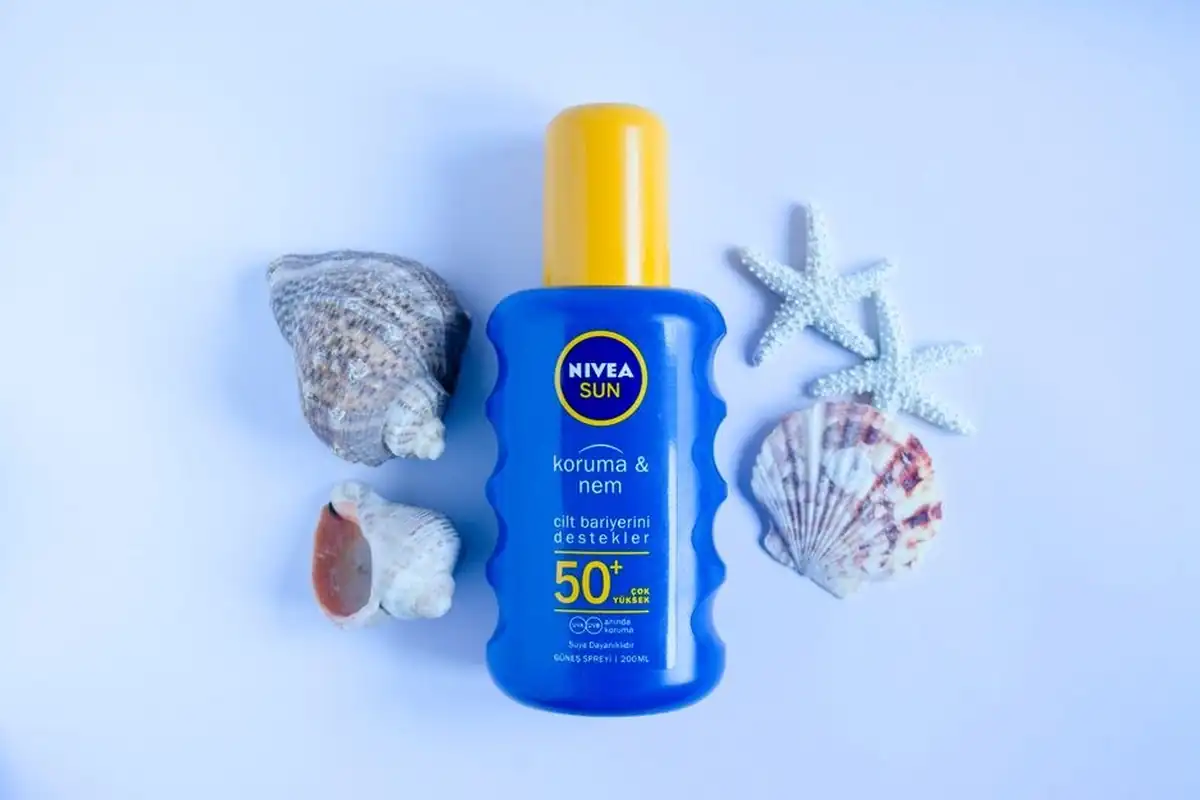
Pico Laser Aftercare: Why Sun Protection Decides Whether Pigmentation Returns
Pico laser breaks pigment into fragments your body clears over the following weeks — but what happens to your skin in that window, not the laser settings, is usually what decides whether sunspots or melasma actually stay away. Here is what a proper aftercare routine covers.
15 September 2026 · 7 min read
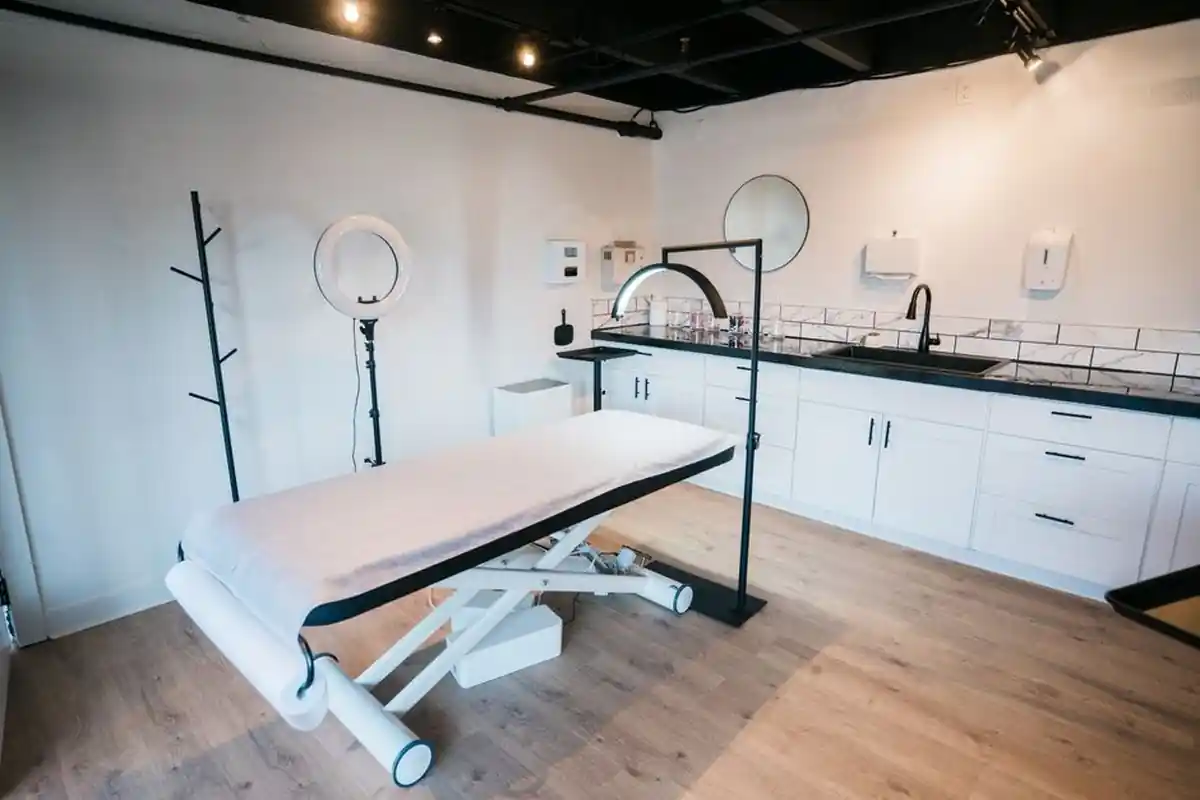
HIFU Skin Tightening: Who Is (and Isn't) a Good Candidate
HIFU promises a lift without surgery, but the ultrasound energy behind it only works within a fairly narrow band of skin laxity. Here is how a proper consultation actually decides whether you fall inside that band — and what happens when the honest answer is no.