
Magazine
Numbness After Cosmetic Surgery: Why Sensation Takes Longer to Return Than Healing Does
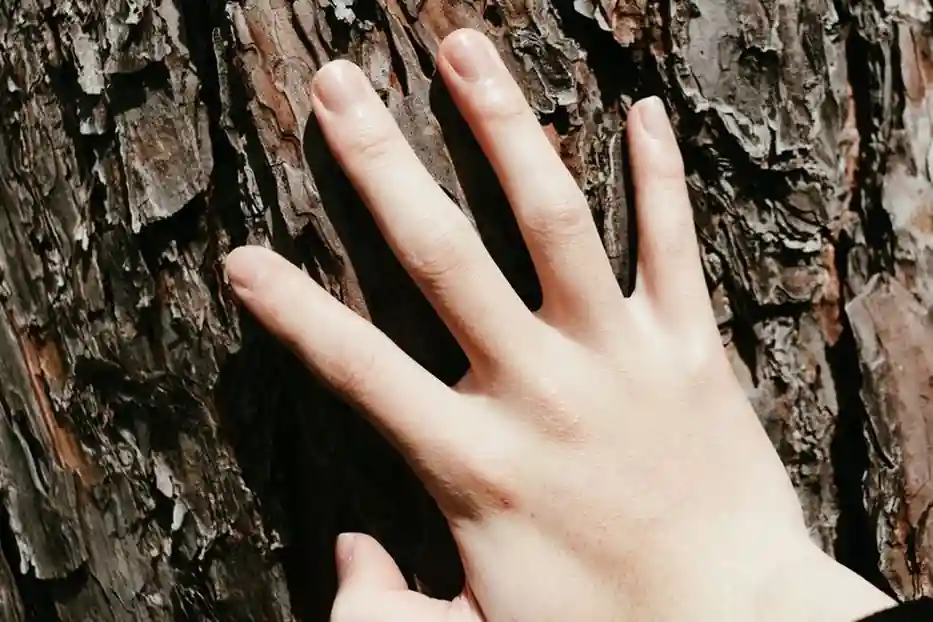
Skin can look fully healed while it still feels wrong — tight, tingling, or simply absent. Here is why sensory nerves recover on a different clock than incisions do, which procedures change feeling the most, and when numbness stops being ordinary healing.
Numbness is usually healing, not a complication
Most patients brace themselves for pain, bruising and swelling. Fewer are told, clearly and in advance, that parts of their skin may go quiet for weeks or months — not painful, not swollen, just strangely absent. When a patient calls a clinic worried that an area "still doesn't feel like mine," the surgeon is rarely surprised. Numbness after cosmetic surgery is one of the most common and most under-explained parts of recovery.
The reason is mechanical. To reach deeper tissue, a surgeon has to work around — and sometimes through — a network of small sensory nerves that sit just under the skin. These nerves are not the ones that control movement; they are the ones that report touch, temperature and pressure back to the brain. Stretching, bruising or cutting them during surgery is often unavoidable, and it is not the same as nerve damage. Skin can close and look finished in two to three weeks. The sensory nerves underneath it work on a much slower, separate timeline.
That gap between how a wound looks and how the skin above it feels is exactly what catches patients off guard. Nobody warns you that the calendar for 'healed' and the calendar for 'feels normal again' are two different documents, so it helps to hear it plainly before surgery rather than work it out alone afterwards.
Which procedures change sensation the most
Not every procedure affects feeling the same way, and the pattern is well documented for some of them. Areas around the nipple and areola are the most studied example in breast implant surgery, where surgical approach and implant placement both influence how much sensitivity changes and how long it takes to settle. Patients considering this procedure are usually asked directly during consultation which sensory nerves sit near the planned incision.
A facelift carries its own version of this — numbness around the ear, jawline or upper neck is expected in the first weeks, because the tissue lifted during the procedure sits directly over nerves that report feeling to that skin. Liposuction can leave a treated area feeling dulled or oddly tight rather than fully numb, simply because a cannula moving under the skin disturbs the same shallow nerve layer.

What sensation actually feels like on the way back
Recovering feeling rarely arrives all at once. Most patients describe it in stages — first an itch that will not resolve into an actual itch, then tingling or a pins-and-needles sensation, then small islands of normal feeling appearing inside a still-numb area before the whole patch reconnects. This patchy, uneven return is normal nerve regeneration, not a sign that something went wrong.
It is also slow by nature. Sensory nerves regenerate at roughly a millimetre a day once they start regrowing, which is why an area a few centimetres from the incision can take considerably longer to feel normal than skin right at the scar line. Timelines of several months are common; a smaller number of patients notice mildly reduced sensation a year or more after surgery, particularly in areas where nerves were most disturbed.
When numbness stops being ordinary healing
Gradual, patchy numbness that slowly improves is expected. What is not expected is numbness that shows up suddenly weeks after surgery when the area had already recovered feeling, numbness paired with new weakness or an asymmetric change in how one side of the face or body moves, or numbness that spreads instead of shrinking. Any of these, especially alongside swelling, redness or fever, belongs on the same list as the other post-surgery warning signs that deserve a same-day call to the clinic rather than a wait-and-see approach.
The distinction that matters is direction. Numbness that is quietly getting smaller and less complete, even slowly, is consistent with nerves healing. Numbness that is stable, worsening or arriving out of nowhere is worth a clinical opinion, not a guess.
Living with skin that cannot fully feel yet
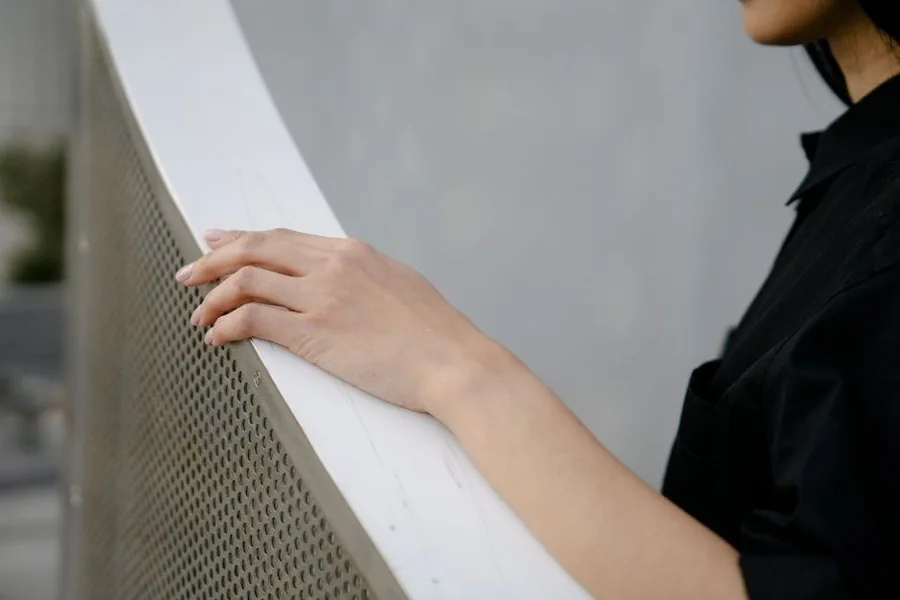
A numb area cannot warn you the way normal skin does, so a few habits matter more during this stretch of recovery. Heating pads, very hot water and direct sun on a numb patch can cause a burn before it is felt, simply because the usual pain signal that makes someone pull away is not reaching the brain at full strength. Checking the area visually — rather than relying on how it feels — during dressing changes or showers is a small habit worth keeping until sensation is closer to normal.
Compression garments and dressings should still be fitted the way the clinic recommends, but it is worth mentioning any numb area at follow-up visits so the surgical team can check the skin underneath rather than relying on the patient's own sense of pressure or rubbing.
What to ask before you consent to a procedure
Because sensation change is procedure- and technique-dependent, it is a fair and specific question to bring into a consultation: which nerves sit near the planned incision for this particular surgery, how numbness has trended for this surgeon's past patients, and roughly how long full or partial recovery of feeling tends to take for this specific operation. A surgeon who can answer in specifics, rather than a general reassurance, is usually one who has paid attention to this part of recovery before.
If you are still weighing procedures or want a clearer picture of what your own recovery might involve, a consultation is the right place to ask — bring the question with you rather than searching for a universal timeline that does not really exist.
Magazine
16 September 2026 · 7 min read
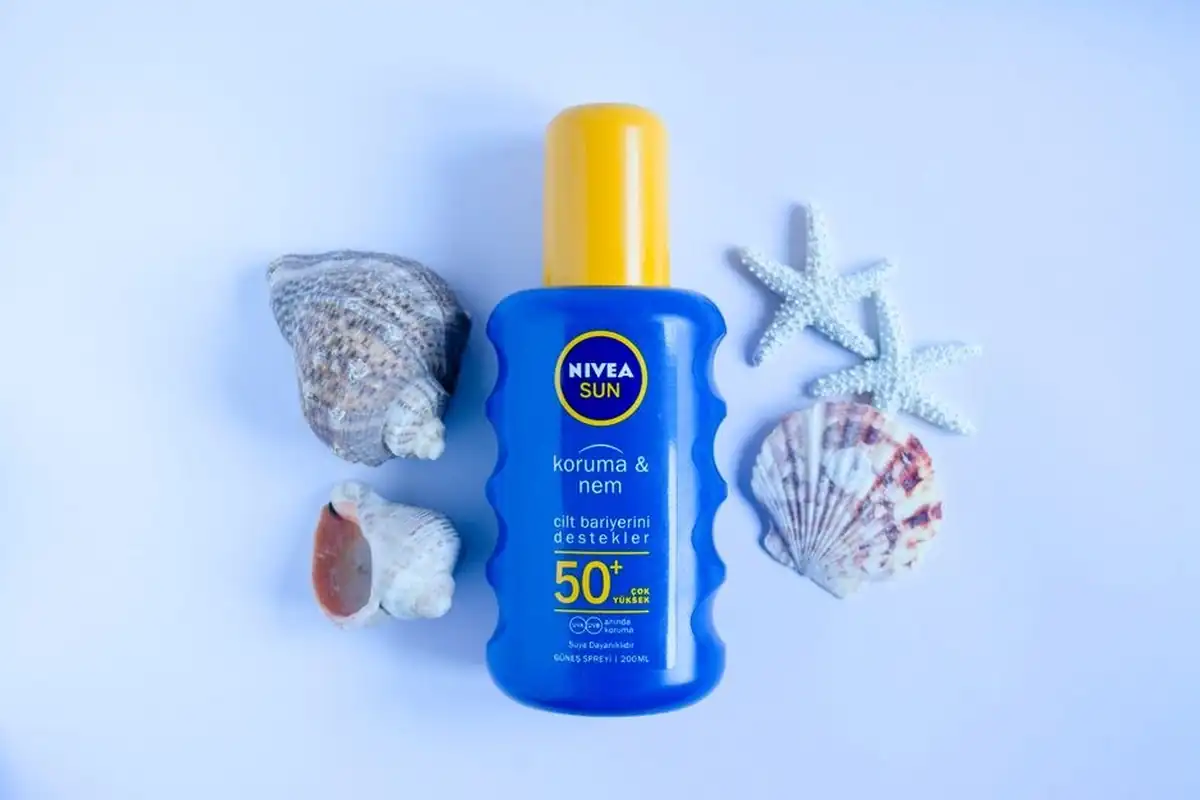
Pico Laser Aftercare: Why Sun Protection Decides Whether Pigmentation Returns
Pico laser breaks pigment into fragments your body clears over the following weeks — but what happens to your skin in that window, not the laser settings, is usually what decides whether sunspots or melasma actually stay away. Here is what a proper aftercare routine covers.
15 September 2026 · 7 min read
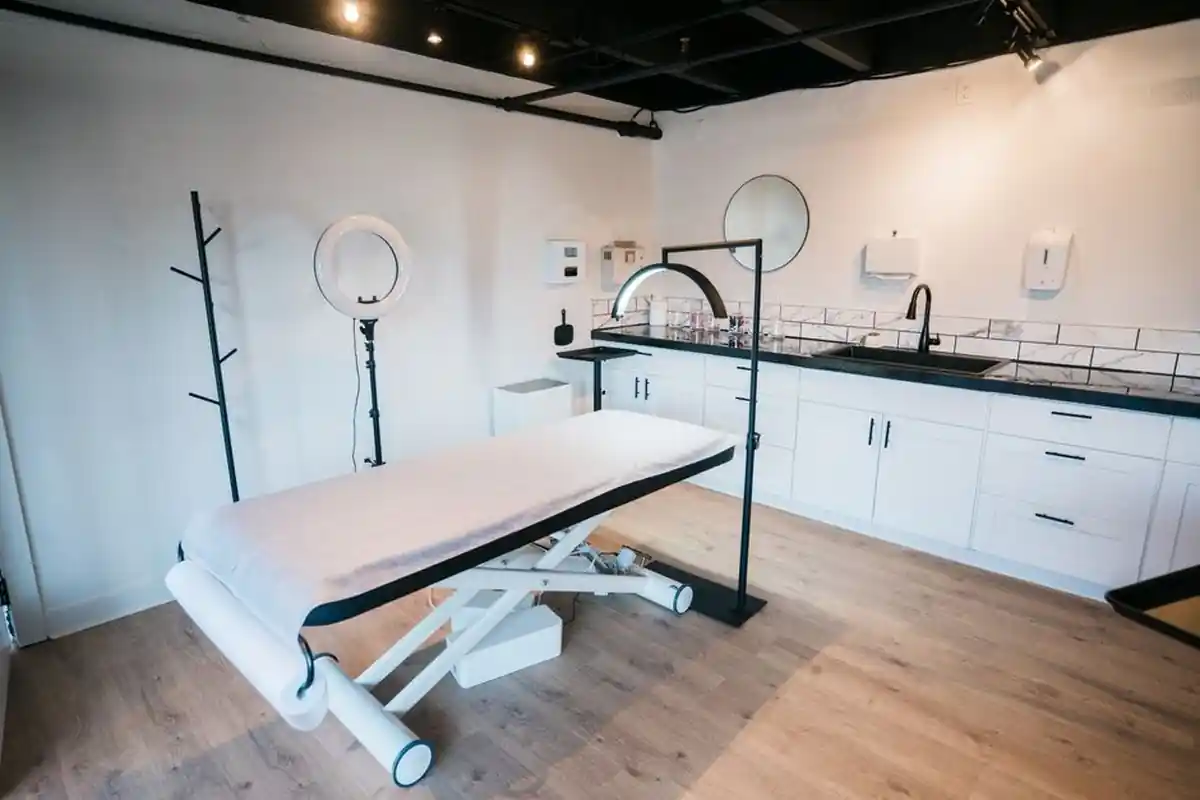
HIFU Skin Tightening: Who Is (and Isn't) a Good Candidate
HIFU promises a lift without surgery, but the ultrasound energy behind it only works within a fairly narrow band of skin laxity. Here is how a proper consultation actually decides whether you fall inside that band — and what happens when the honest answer is no.