
Magazine
Skin Tone and Laser Settings: Why One Energy Level Doesn't Fit Everyone
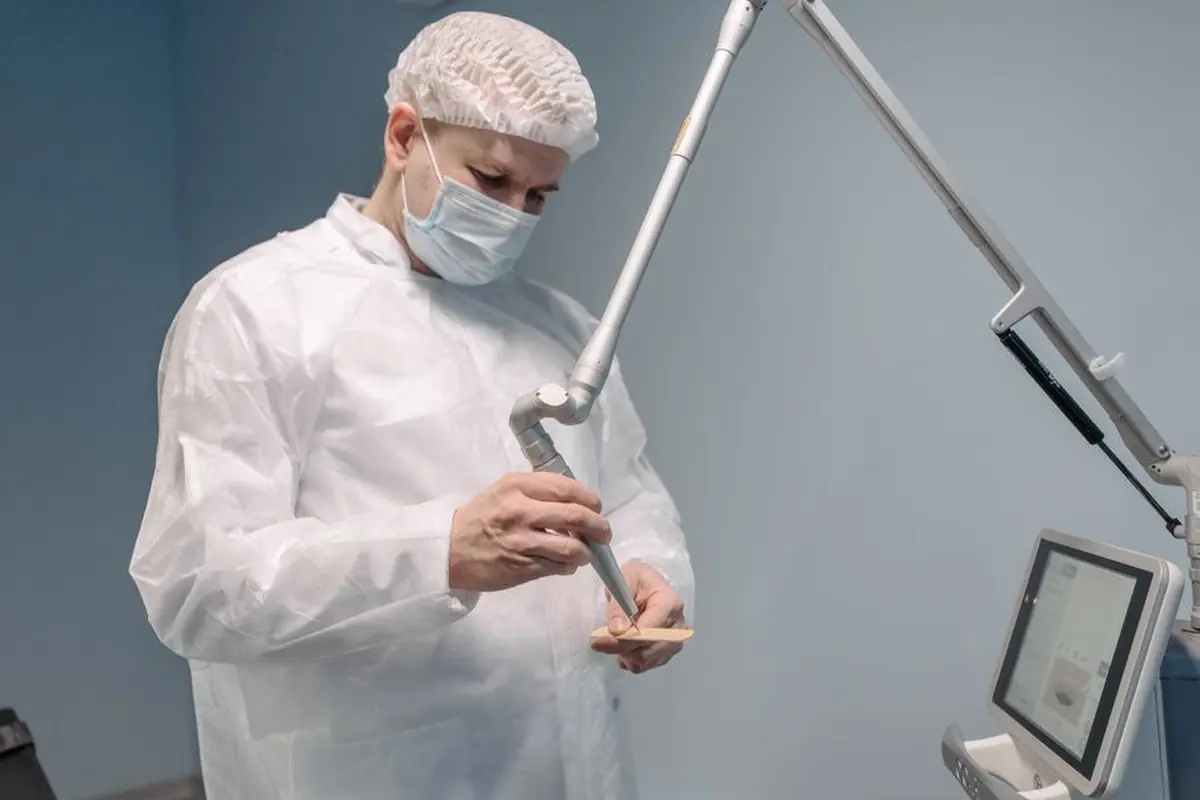
Melanin absorbs laser light differently depending on how much of it your skin carries, which is why a setting that works safely for one person can burn or discolour another. Here is what a proper laser consultation is actually calibrating for — and the questions worth asking before any handpiece touches your skin.
Melanin decides how a laser behaves
Most aesthetic lasers used for hair reduction or pigment work do not target your skin generally — they target melanin specifically, the pigment that colours hair follicles, sun spots and the skin itself. The laser's energy is absorbed by whatever melanin sits in its path, then converts to heat that does the intended work: damaging a follicle, breaking up a pigment cluster.
The complication is that melanin does not politely stay inside the target. If the skin surrounding a hair follicle or a pigmented lesion also carries a lot of melanin, it absorbs energy too — competing with the actual target and heating tissue that was never meant to be treated. That is not a device flaw. It is physics, and it is the entire reason a setting calibrated for one skin tone can be too aggressive, or too weak, for another.
This is also why the same laser, in the same clinic, on the same day, is never run at one universal setting. The energy, wavelength and pulse duration are variables a trained operator adjusts per patient — not a dial left in a default position.
Malaysia's skin tones don't fit one category
Clinics classify skin using the Fitzpatrick scale, a six-point system built around how skin responds to sun rather than how it looks. Malaysia's population sits across a wide band of that scale — commonly type III through V — which means 'Asian skin', used as a single planning category, hides more variation than it captures. A setting appropriate for one patient in that range can still be wrong for the next.
Tone also is not fixed for any one person. Weeks at the beach, a period of outdoor work, or simply the tropical sun over an ordinary month can shift how much melanin sits in the skin at the time of treatment — sometimes enough to move someone a full category up the scale temporarily. A consultation that only asks about tone once, at intake, and never again, is asking the wrong number of times.
What a proper consultation actually checks
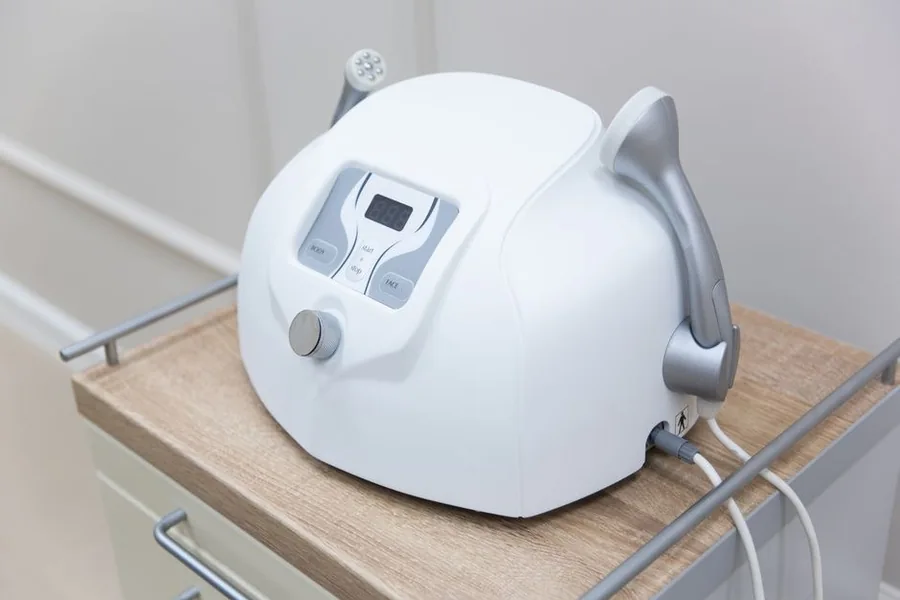
Before any setting is chosen, a careful clinic runs a patch test — a small treated area, observed over a set period, to see how that specific skin responds before committing to a full session. Skipping this step to save time is one of the more common ways tone-related reactions happen.
History matters as much as the test itself. Photosensitising medication, a recent course of isotretinoin, a personal or family tendency toward keloid or hypertrophic scarring, and any history of melasma or hormonal pigmentation all change how safely a given energy level can be used — and sometimes rule a treatment out for the time being rather than adjusting it.
Device and wavelength selection follow from that picture rather than preceding it. Longer wavelengths generally pass through surface melanin more safely for deeper skin tones; shorter wavelengths can be more efficient where surface melanin is lower. Matching the tool to the tone, not the other way round, is the part of the process patients rarely see but should feel confident is happening.
Where tone-matched settings matter most
Laser hair removal is the most tone-sensitive of the common aesthetic lasers, because its target — melanin inside the hair follicle — sits so close to the melanin in the surrounding skin that separating the two cleanly depends entirely on getting the wavelength and energy right. This magazine has covered the mechanics of that process before, including why so many sessions are needed in the first place; tone calibration is the other half of that same story.
Pigment and pico laser work runs on a related but different logic — the calibration question there is less about surrounding skin tone and more about how deep a specific mark sits and what caused it. A sun spot, a patch of melasma and a mark left by old inflammation can look similar and still need different settings entirely, which is one more reason a single 'aesthetic laser setting' does not exist across treatments, let alone across patients.
The variable you control: recent sun and self-tan
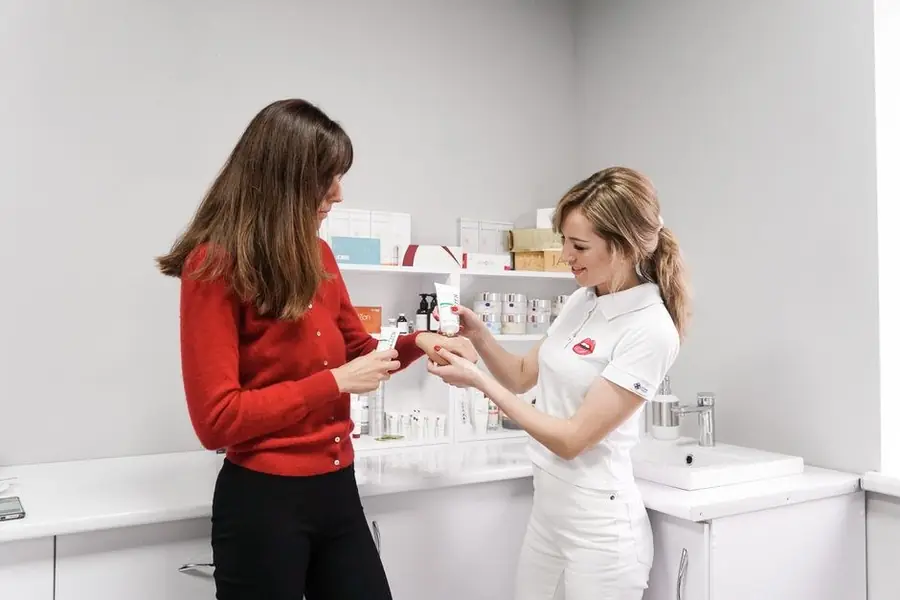
A tan, whether from the sun or from a self-tanning product, temporarily raises the amount of melanin sitting in the skin at the surface. Treating over that raised baseline with a setting chosen for your usual tone increases the risk of burns or pigment change — which is why a clinic that asks about your last few weeks in the sun, and sometimes postpones treatment because of the answer, is doing its job rather than being overly cautious.
The same logic runs in reverse after treatment. Skin that has just been treated has a temporarily disrupted ability to regulate its own pigment, which makes strict sun avoidance and sunscreen in the days afterward part of the treatment itself, not an optional add-on.
Questions worth asking before you book
It is reasonable to ask a clinic directly what Fitzpatrick type they have assessed you as, whether a patch test is standard practice before your first full session, and what happens to the plan if you mention a recent tan or a change in medication. The specificity of the answer tells you more than any brochure.
It is equally reasonable to ask who actually sets the parameters on the machine — a trained clinician making a judgment call, or a fixed protocol applied to everyone who walks in. A clinic confident in its process will usually explain its reasoning without being pressed.
If a clinic's answer to a tone question is a shrug and a single number for everyone, that is worth raising directly rather than working around. Clinics around Sri Hartamas generally welcome this kind of question before treatment begins, and it is exactly the sort of thing worth working through at a proper consultation rather than deciding on the day.
Magazine
16 September 2026 · 7 min read
Pico Laser Aftercare: Why Sun Protection Decides Whether Pigmentation Returns
Pico laser breaks pigment into fragments your body clears over the following weeks — but what happens to your skin in that window, not the laser settings, is usually what decides whether sunspots or melasma actually stay away. Here is what a proper aftercare routine covers.
15 September 2026 · 7 min read
HIFU Skin Tightening: Who Is (and Isn't) a Good Candidate
HIFU promises a lift without surgery, but the ultrasound energy behind it only works within a fairly narrow band of skin laxity. Here is how a proper consultation actually decides whether you fall inside that band — and what happens when the honest answer is no.