
Magazine
Your scar at three months is not your scar — how a surgical line actually settles

A surgical scar keeps rebuilding itself for a year or more. What happens under the line, which skin types need a different plan, and the questions about incision placement to ask before the operation rather than after.
The line you are judging is still under construction
A closed incision looks finished long before it is. Within a fortnight the edges have sealed and the stitches are usually out, and it is tempting to read the thin pink line in the mirror as the final answer. It is not. Underneath, the body is still in the middle of a rebuilding job that runs for a year and often longer.
The sequence is fairly consistent. For the first few weeks new collagen is laid down quickly and untidily, which is why a young scar is often raised, pink and slightly firm — that redness is new blood supply, not infection. From roughly the second month the body starts remodelling: it removes the disorganised fibres and replaces them with stronger, flatter, better-aligned ones. That phase is slow and undramatic, and it is where most of the improvement actually happens.
This is why three months is such an unreliable moment to draw conclusions. A scar that looks worst at eight to twelve weeks is behaving normally. Judging it then is a bit like judging a room while the plasterer is still working. The honest review point for appearance is somewhere between twelve and eighteen months, and any clinic that tells you otherwise is compressing a timeline to sound reassuring.
Most of the outcome was decided before you were on the table
Aftercare gets almost all the attention, but the two biggest levers on how a scar finally looks are set earlier: where the incision is placed, and how much tension sits across it while it heals. A line that follows a natural crease or a relaxed skin-tension line has a far easier job than one cut across it, and a line under constant pull will widen no matter how diligent you are with creams.
That makes incision planning a consultation topic rather than an operating-day detail. Ask where the scars will be, how long each will be, and why that position was chosen over the alternatives. Many procedures genuinely have options — breast implant surgery, for instance, can be approached through more than one incision, and each choice trades visibility in one situation for visibility in another. There is no universally correct answer, only one that fits your anatomy, your priorities and what your surgeon does most often.
Some procedures scar far less than people expect, which is worth knowing when you weigh options. The access points used in liposuction are small and usually placed where clothing or natural shadow hides them. Ask to have them pointed out on your own body during the consultation, not described in the abstract.
Not every skin heals the same way
Scarring behaviour varies enormously between people, and much of it is inherited. Hypertrophic scars stay within the original wound but grow thick and raised. Keloids go further, spreading beyond the edges of the injury into surrounding skin, and they can appear months after everything seemed settled. Both are more common in richly pigmented skin, which makes this a routine rather than an exotic conversation across Malaysia's population.
Location matters as much as genetics. The chest, shoulders, upper back and earlobes are the classic problem zones; eyelids and the inside of the mouth are among the most forgiving. If you have ever had a piercing, a vaccination mark or an old cut that thickened and stayed thick, that is genuinely useful clinical information — mention it before surgery, not after a scar starts misbehaving.
A surgeon who knows your history in advance can plan differently: a different incision line, a different closure, earlier follow-up, or a preventive plan started as soon as the wound has closed rather than months later when a thickened scar is already established. There is also a separate question of colour. A flat, soft scar can still read as a visible mark if it holds pigment, and darker post-inflammatory marking is a different problem from raised tissue, sometimes handled with treatments in the same family as pigment-targeting lasers — but only once the scar itself is mature and only on a doctor's assessment.
What genuinely helps — and what only sounds like it does
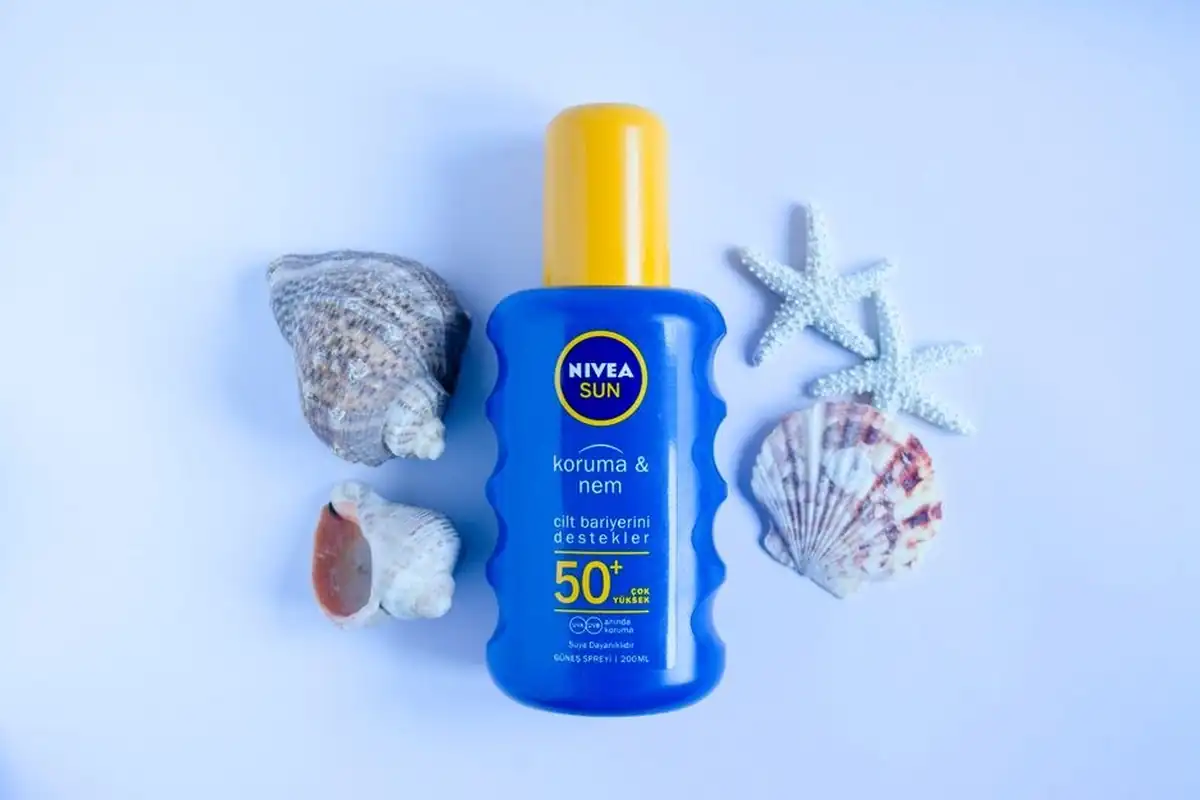
The short list of things with real support behind them is unglamorous. Sun protection is first: young scar tissue pigments readily, and a line that would have faded quietly can be locked in darker by a few unprotected months. Cover it, shade it, or use sunscreen on it once your clinic confirms the wound is fully closed.
Silicone, as sheets or gel, is the mainstay of scar management and is worth asking about at your first post-operative review — it works by hydrating and occluding the scar rather than by any dramatic mechanism, which is why it needs months of consistent use to show a difference. Supportive taping to take tension off a line, and gentle massage once the wound is fully healed, are commonly advised for the same reason: they change the mechanical environment the scar is remodelling in.
What deserves scepticism is anything promising to erase a scar. Every mature scar is permanent tissue; the realistic goal is to make it flat, pale and quiet enough to stop noticing. Be equally wary of starting anything on a wound that has not closed, of vitamin-E folklore that irritates as often as it helps, and of aggressive early treatment sold as prevention. Timing is a medical decision, and the person who operated on you is the one who should make it.

Heat, sweat and the Kuala Lumpur calendar
A tropical climate adds a practical layer that temperate advice tends to skip. Dressings and silicone sheeting lift early in constant humidity, sweat softens tape, and the instinct to wear less and swim more collides with the need to keep a young scar covered and out of the sun. None of this is dangerous, but it does mean the aftercare plan that works in a cooler country needs adapting here.
Plan around it rather than fighting it. Ask which product formats hold up in humidity — gels often outlast sheets on exposed areas. Ask when pool and sea water are allowed, which is usually later than people assume. Ask how to manage the hours between an air-conditioned office and a walk across a car park at two in the afternoon. Our guide to recovering in a tropical climate covers the wider version of this problem.
There is a scheduling consequence too. If you have a beach holiday, a wedding or an outdoor role coming up, the sun-exposure window matters more than the visible-healing window, and it is longer. Say those dates out loud at the consultation so the plan is built around your calendar rather than retrofitted to it.

The follow-up you should book before you need it
Scar care is a long relationship, not a discharge instruction, so find out at the consultation what the follow-up schedule actually looks like: which reviews are included, who you see at each one, and how far out they run. A clinic that plans a check at six and twelve months is telling you something useful about how it thinks about results.
Know the difference between concerns that wait and concerns that do not. A pink, firm, slightly raised line at ten weeks is expected. Increasing pain, spreading redness or heat, discharge, a wound edge that separates, or a scar that starts visibly growing beyond its original borders are all reasons to contact the clinic that treated you rather than to wait for the next scheduled appointment.
In practice, proximity is part of the plan. Being able to drop in for a five-minute look at a scar changes how early small problems get caught, which is one reason patients weigh clinics in Mont Kiara against travel time before they book. If you are still deciding, bring your scarring history and your calendar to a consultation and ask how both would shape the plan — that conversation is far more useful before surgery than after it.
Magazine
16 September 2026 · 7 min read
Pico Laser Aftercare: Why Sun Protection Decides Whether Pigmentation Returns
Pico laser breaks pigment into fragments your body clears over the following weeks — but what happens to your skin in that window, not the laser settings, is usually what decides whether sunspots or melasma actually stay away. Here is what a proper aftercare routine covers.

15 September 2026 · 7 min read
HIFU Skin Tightening: Who Is (and Isn't) a Good Candidate
HIFU promises a lift without surgery, but the ultrasound energy behind it only works within a fairly narrow band of skin laxity. Here is how a proper consultation actually decides whether you fall inside that band — and what happens when the honest answer is no.