
Magazine
How to choose a cosmetic surgery clinic in Kuala Lumpur

A practical, honest guide to finding a clinic you can trust — from checking qualifications to reading between the lines of a consultation.
Start with qualifications and registration
A safe cosmetic procedure begins with a qualified practitioner. In Malaysia, look for a doctor registered with the Malaysian Medical Council and, for surgery, appropriate specialist or aesthetic training. Ask directly who will perform your procedure and what their experience is with it — a reputable clinic answers openly. Be cautious of anyone who avoids these questions or promises results without assessing you first.
Look closely at the facility and safety
The setting matters as much as the price. Surgical procedures should take place in a clean, properly equipped and licensed facility, with clear protocols for anaesthesia, hygiene and emergencies. When you visit, notice whether the environment feels clinical and well organised. Ask how aftercare and follow-up are handled, and what happens if you have a concern during recovery.
Value an honest consultation over a hard sell
A good consultation feels like a conversation, not a sales pitch. Your practitioner should listen to your goals, review your medical history, explain realistic outcomes, and be willing to say when a treatment is not right for you. Transparent, itemised pricing should be given without pressure to commit on the day. If you feel rushed, or are promised guaranteed perfection, take a step back.
Check real results, reviews and language
Ask to see genuine before-and-after photos of patients with concerns similar to yours, and remember that results vary between individuals. Independent reviews — such as those on Google — give a sense of other patients' experiences. In a multicultural city like Kuala Lumpur, it also helps to choose a clinic that can communicate clearly in your own language, so nothing about your care is lost in translation.
Questions worth asking — and a few warning signs
A good clinic will welcome questions. Ask who exactly will perform the procedure, how many of these they have done in the last year, what their typical complication rate is and how they would handle a problem if one arose. Ask for written, itemised pricing and for a written aftercare plan you can take home.
Warning signs are usually quiet rather than loud. Pressure to decide on the day, vague answers about the practitioner's training, before-and-after images that look identical to images on other clinics' websites, and discomfort with the questions above are all worth taking seriously. The right clinic for you is the one where you feel calm enough to disagree.
Magazine
16 September 2026 · 7 min read
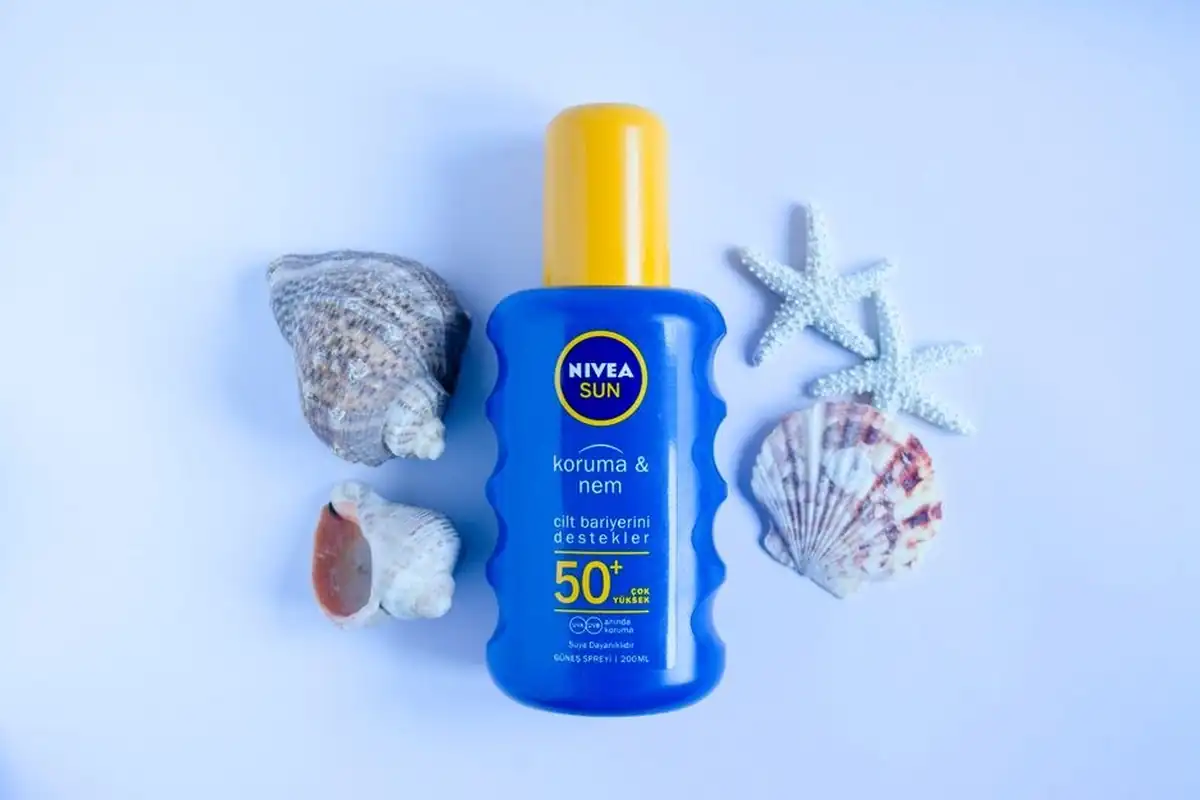
Pico Laser Aftercare: Why Sun Protection Decides Whether Pigmentation Returns
Pico laser breaks pigment into fragments your body clears over the following weeks — but what happens to your skin in that window, not the laser settings, is usually what decides whether sunspots or melasma actually stay away. Here is what a proper aftercare routine covers.
15 September 2026 · 7 min read
HIFU Skin Tightening: Who Is (and Isn't) a Good Candidate
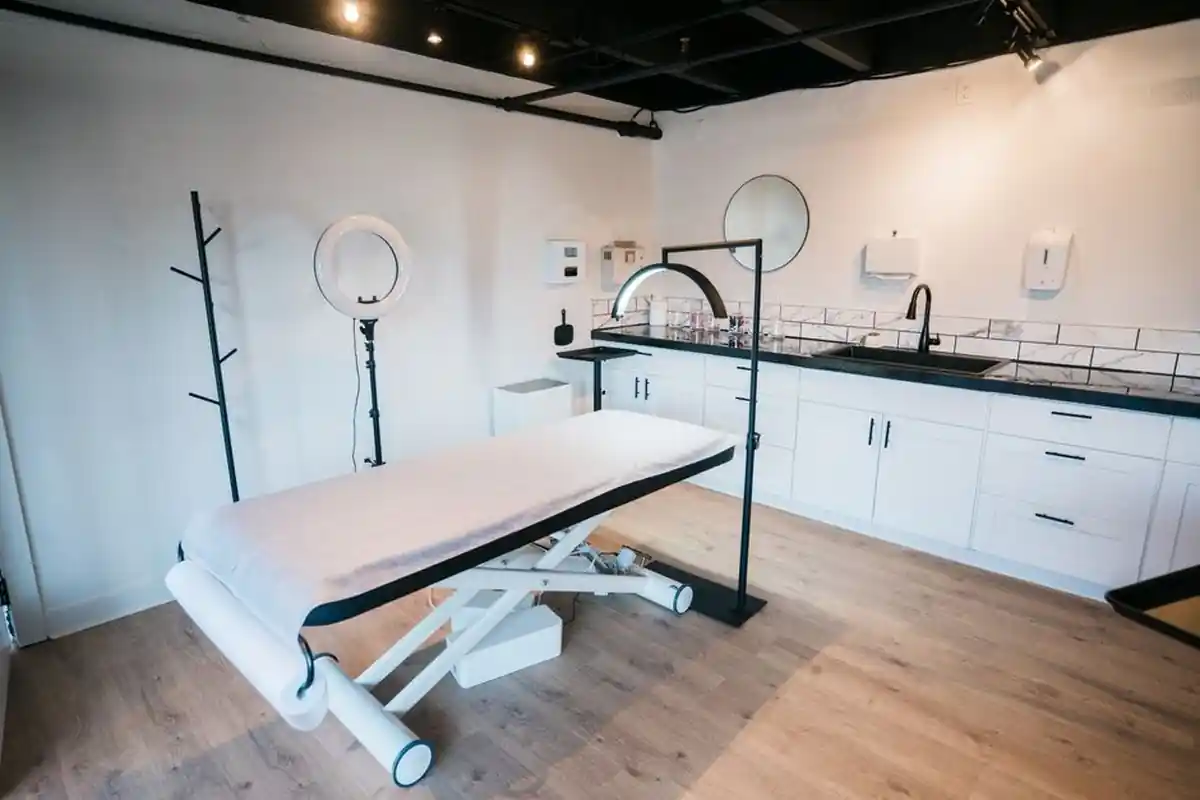
HIFU promises a lift without surgery, but the ultrasound energy behind it only works within a fairly narrow band of skin laxity. Here is how a proper consultation actually decides whether you fall inside that band — and what happens when the honest answer is no.