
Magazine
Chin Implant Surgery: What It Can Change and What Can Go Wrong

A chin implant reshapes projection, not the whole jaw. What material and size choices involve, how the two incision routes differ, and the complications worth asking about before you book.
What a chin implant is actually solving
A chin implant is a solution for one specific problem: a chin that sits too far back or too flat relative to the rest of the face, when the jawbone itself is otherwise a normal shape. It adds projection and, depending on the style chosen, some width. It does not reduce a jaw that is too large, does not fix an uneven bite, and does not change the neckline on its own — those are separate procedures with separate names.
This is why the consultation usually starts with a look at the whole profile, not just the chin. If the concern is really that the nose looks oversized, or the lower face looks short, an implant might not be the answer at all — a point our earlier guide on profile balance before rhinoplasty covers in more depth. An implant is the right tool only when the projection itself, not something around it, is the actual issue.
Surgeons in Malaysia treat this as elective, permanent hardware placement, not a quick add-on. That framing matters more than the marketing language around it — it is a device sitting on bone under skin and muscle, and every decision from here on is about how that device behaves over decades, not just how it looks in the first photo after healing.
Material and size: how the decision gets made
Most implants used today are solid silicone or a porous polyethylene material (often known by the brand name Medpor). Silicone is smooth, easier to remove or reposition later if needed, and has a long track record. The porous option allows tissue to grow into it, which can mean a more fixed, stable feel — but also means removal, if ever necessary, is a more involved procedure. Neither material is universally 'better'; the choice depends on your anatomy, skin thickness, and what your surgeon has the most experience placing well.
Sizing is not guesswork done on the day. A careful consultation involves measuring the existing chin-to-lip and chin-to-neck relationships, sometimes with photographs or 3D imaging, and testing how different projections look against the rest of your facial proportions before any implant is ordered. Oversizing is one of the most common regrets patients describe — a chin that reads as 'done' rather than simply balanced. Ask your surgeon directly how they size, and ask to see the range of implant sizes under consideration rather than a single recommendation.
It's also worth asking what happens if the first size doesn't look right once swelling resolves. A reputable surgeon will have a plan for that conversation before surgery, not just after.
Two ways in: intraoral versus submental incisions
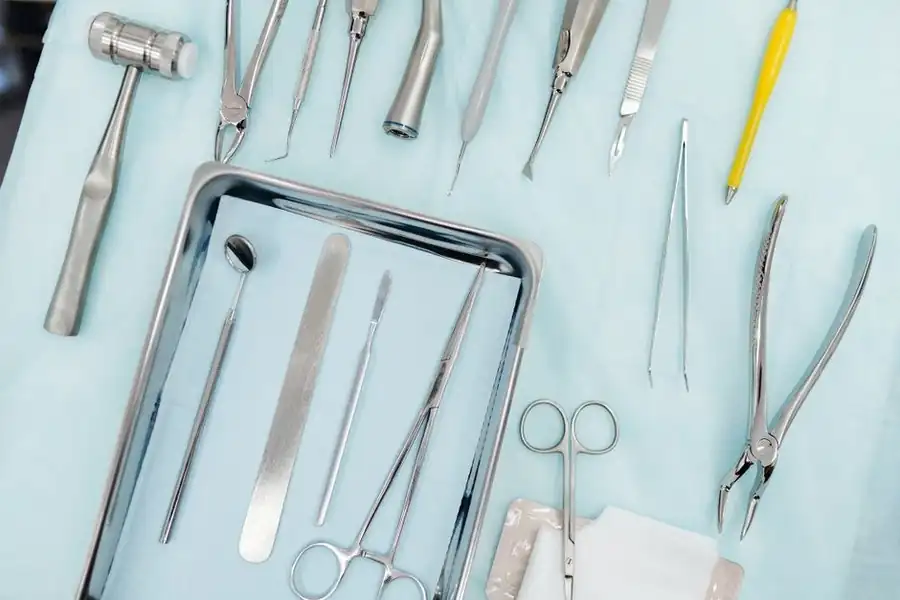
There are two common approaches to placing the implant. An intraoral incision goes inside the lower lip, leaving no visible external scar but placing the incision closer to the mouth's bacteria, which is one reason antibiotic protocols and oral hygiene matter more in the days after. A submental incision sits in the natural crease under the chin, healing as a fine line that most people stop noticing within months, with a lower reported rate of infection in some studies but a small visible scar.
Neither route is automatically the right choice — it depends on your surgeon's preferred technique, your anatomy, and sometimes whether other procedures, like liposuction under the chin, are being combined in the same session. If you're weighing an implant alongside jawline contouring or a lower facelift, ask specifically how the incision plan changes when procedures are combined, since that can affect both scarring and recovery timelines.
Recovery week by week
The first three to five days bring the most visible swelling and bruising, plus tightness or numbness across the chin and lower lip — the mental nerve runs close to the implant pocket, and temporary numbness is common and usually resolves over weeks. Most people manage this with prescribed pain relief and a soft-food diet, since chewing motion in the first week can shift a freshly placed implant before the pocket has settled.
By two to three weeks, swelling has usually dropped enough for most people to feel comfortable in normal social situations, though the final, settled shape isn't really visible yet. Full settling — where residual swelling resolves and the tissue around the implant relaxes into its final contour — typically takes two to three months, sometimes longer in patients with thicker skin.
Sleeping with the head elevated, avoiding contact sports or anything that risks a direct hit to the chin for at least six weeks, and keeping follow-up appointments to check implant position are the parts of recovery patients most often underestimate. A displaced implant caught early is a simple adjustment; one caught months later is a bigger conversation.

What can go wrong — and the follow-up questions worth asking
The complications specific to chin implants, beyond the general surgical risks of infection and bleeding, are worth naming plainly: malposition (the implant shifting off-centre, most often in the first weeks before tissue stabilises around it), infection requiring removal, visible or palpable edges in patients with thin skin, and — over many years — a slow reshaping of the bone underneath the implant, sometimes called resorption, which is why some surgeons recommend planning for the possibility of revision decades later rather than assuming the first implant is a lifetime decision.
None of this means the procedure is unusually risky when performed and followed up properly — it means the honest answer to 'how long does this last' is 'usually a very long time, with monitoring,' not 'forever, no maintenance needed.' Ask your surgeon how often they've had to remove or reposition an implant, not just how many they've placed. A surgeon who answers that plainly, with numbers, is telling you something useful about how they handle the cases that don't go perfectly — which is a better signal than any before-and-after photo.
If you're still deciding whether an implant, filler, or a bone procedure fits your situation better, it's worth reading that comparison before you book anything. Clinics around Sri Hartamas commonly handle this consultation as a standalone visit, separate from any surgery date, specifically so there's time to sit with the sizing and material decision rather than deciding it on the same day. Bring your questions about material, incision, sizing philosophy, and revision history to a consultation before you commit to a date.
Magazine
16 September 2026 · 7 min read
Pico Laser Aftercare: Why Sun Protection Decides Whether Pigmentation Returns
Pico laser breaks pigment into fragments your body clears over the following weeks — but what happens to your skin in that window, not the laser settings, is usually what decides whether sunspots or melasma actually stay away. Here is what a proper aftercare routine covers.

15 September 2026 · 7 min read
HIFU Skin Tightening: Who Is (and Isn't) a Good Candidate
HIFU promises a lift without surgery, but the ultrasound energy behind it only works within a fairly narrow band of skin laxity. Here is how a proper consultation actually decides whether you fall inside that band — and what happens when the honest answer is no.