
Magazine
Breast Implant Removal: What an Explant Consultation Should Actually Cover

Considering breast implant removal? A proper explant consultation covers more than a surgery date — capsule condition, imaging, and whether removal alone or a lift fits your case.
Why patients consider breast implant removal
Breast implants are not designed to stay in place forever, and the reasons patients look into removal vary more than people expect. Some notice a change in how an implant feels — firmer, higher, or sitting differently on one side than the other — which can point to capsular contracture, where the scar tissue around the implant tightens over time. Others are simply reaching the point where their implants were placed many years ago and want a professional check, whether or not anything currently feels wrong.
A smaller group of patients arrive having connected broader symptoms to their implants and want to discuss removal on that basis. A careful consultation does not dismiss that concern, but it also does not promise that removal will resolve symptoms that have not been clinically linked to the device itself — that kind of guarantee has no place in a responsible discussion. What a good consultation offers instead is a structured way to look at the evidence together, case by case.
It is also worth saying plainly that removal is not usually an urgent decision. Bodies and preferences change over the years — some patients simply feel the implants no longer match how they want to look or live, without any medical trigger at all. That reason is enough on its own, and a consultation that treats it as such, without pushing toward a bigger or more complicated plan than the patient asked for, is doing its job properly.
What the explant consultation assesses
Before any decision about technique gets made, the surgeon needs a clear picture of what is actually there. That starts with when the original implants were placed, what type of device was used, and whether records from the first surgery are available — older paperwork is not always complete, and piecing that history together is often the real first task of the visit.
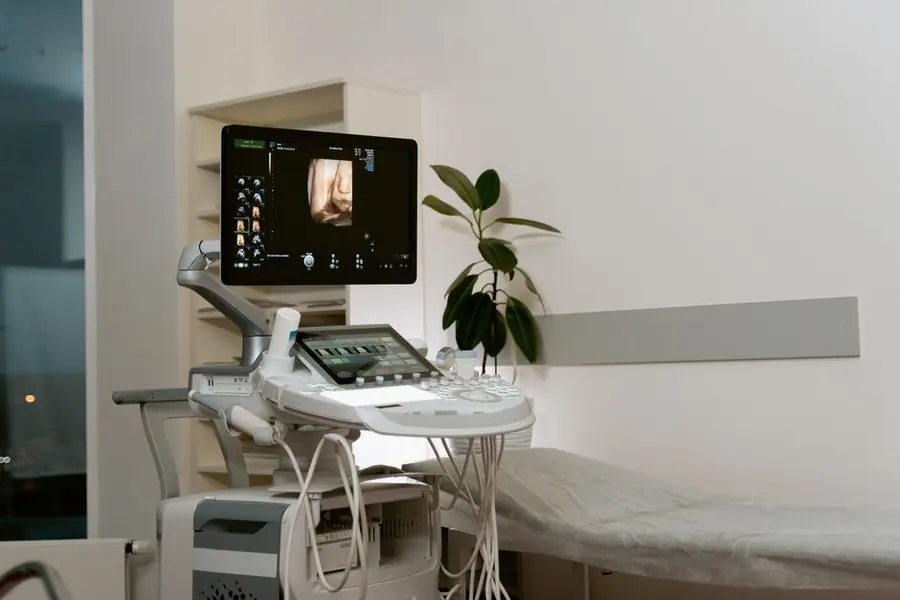
The physical exam checks capsule firmness, implant position, and how much the surrounding tissue has stretched or thinned over the years, all of which shape what removal will actually look like afterward. Imaging — usually ultrasound, sometimes MRI — helps confirm whether the implant shell is intact and gives the surgeon a clearer view of the capsule before any approach is planned, rather than relying on the exam alone.
Breast size, skin thickness, and the degree of any sagging also factor into the assessment, because they influence how the chest is likely to settle once the implant is gone. None of this can be judged accurately from a photo or a description over a phone call — it is one of the reasons a proper explant plan is built in person, after the surgeon has actually examined the tissue involved.
Removal-only, exchange, or combined with a lift
Explant is not one single operation. Some patients choose removal only, without a replacement device. Others exchange the existing implant for a new one, often addressing whatever prompted the removal in the first place — rupture, malposition, or simply wanting a different size. A third group combines removal with a lift, because once an implant is gone, skin and tissue that had been stretched around it for years may sit lower than the patient expects.
Which path makes sense depends on tissue quality, how long the implants have been in place, and what the patient wants their chest to look like without a device at all. That is usually a longer conversation than a single first visit can fully resolve, which is one reason a Mont Kiara consultation for explant cases often ends with a follow-up appointment before any surgical plan is confirmed.
There is also a decision about the capsule itself — whether it is left in place, partially removed, or taken out entirely along with the implant. That choice depends on what the exam and imaging found, not on a fixed rule that applies to every patient the same way, which is another reason this conversation tends to move slower than patients initially expect.
Recovery after explant surgery
Recovery from removal-only surgery is generally shorter than the original augmentation, though swelling and gradual changes in shape can continue settling for several weeks afterward. Recovery from removal combined with a lift or an exchange follows a pattern closer to the original procedure, with a longer stretch of time before the result reflects its final shape.
Because explant is technically a revision procedure — working with tissue and scar capsule left behind from an earlier surgery — it is reasonable to ask exactly who will be performing it and how the clinic confirms that surgeon's training for this specific kind of case. Verifying a surgeon's credentials matters for any cosmetic procedure, but it carries extra weight when the surgery is correcting or replacing work that was done years before.
A support garment is typically worn for a period after surgery to help the chest settle evenly, and strenuous activity is usually paced back in gradually rather than resumed all at once. Follow-up visits track how swelling is resolving and whether shape is settling the way the plan anticipated — which is also why a realistic recovery timeline, discussed before surgery rather than after, matters as much as the operation itself.

Questions worth bringing to your consultation
A useful explant consultation should leave a patient able to answer basic questions about their own case afterward: what condition the capsule was found to be in, whether removal alone is realistic or a lift is likely needed, and what the recovery timeline looks like for the specific plan discussed — not a general estimate carried over from augmentation.
If any part of that explanation feels rushed or vague, it is reasonable to ask again, or to book a consultation elsewhere before agreeing to a date. Explant is rarely an emergency procedure, and taking the time to have these questions answered properly is part of preparing for it well.
It also helps to ask what the chest is likely to look like without any implant at all, based on your own tissue — not a general description borrowed from someone else's case. A surgeon willing to walk through that honestly, including the parts that are harder to hear, is usually the one worth trusting with a revision procedure like this one.
Magazine

16 September 2026 · 7 min read
Pico Laser Aftercare: Why Sun Protection Decides Whether Pigmentation Returns
Pico laser breaks pigment into fragments your body clears over the following weeks — but what happens to your skin in that window, not the laser settings, is usually what decides whether sunspots or melasma actually stay away. Here is what a proper aftercare routine covers.

15 September 2026 · 7 min read
HIFU Skin Tightening: Who Is (and Isn't) a Good Candidate
HIFU promises a lift without surgery, but the ultrasound energy behind it only works within a fairly narrow band of skin laxity. Here is how a proper consultation actually decides whether you fall inside that band — and what happens when the honest answer is no.